Tiny kittens, big dogs, and a dedicated foster volunteer
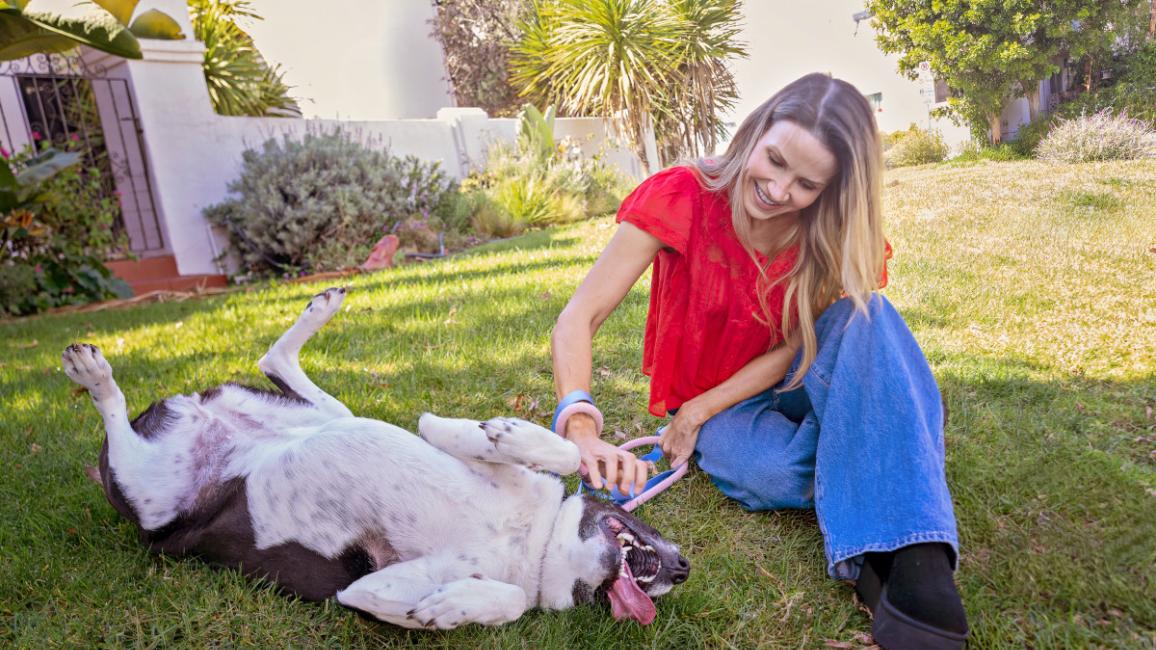
When Frankie Giblin first came to Best Friends in Los Angeles to volunteer back in 2018, she had no intention of becoming a foster caregiver. But two weeks in, she walked out with her first kitten, and everything changed.
“Spending time (with the kittens) really opened my eyes to how important foster homes are,” she says. “When animals go into foster care, it creates space so the shelter can rescue more pets, and it gives them a chance to decompress, socialize, and adjust to home life before being adopted.”
Best Friends’ goal is for all shelters nationwide to reach no-kill, and people who step up to foster pets, either with Best Friends or any animal shelter or rescue organization, play a vital part in reaching that goal.

From kittens to big dogs
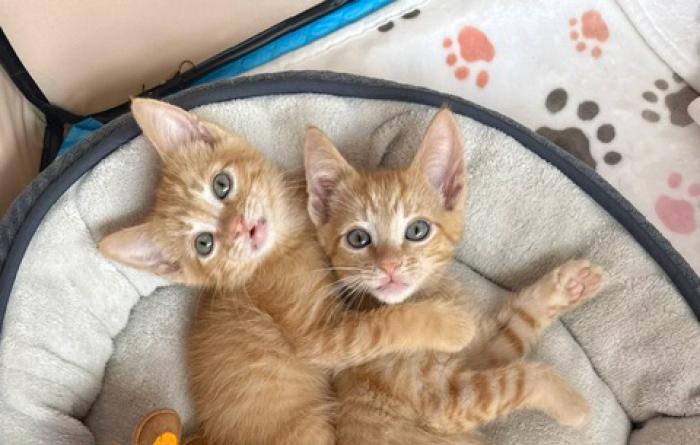
For years, Frankie regularly fostered kittens — and lots of them. Her Instagram followers quickly fell in love with her adorable photos and videos, and her foster kittens benefited from the extra visibility. Last year, she surprised even herself by expanding her fostering world beyond tiny felines.
“I always wanted to foster dogs, but living in an apartment made me unsure if I could handle it,” she says. Then came Best Friends’ Valentine’s Day sleepover event, where volunteers were matched with a dog for one overnight stay. “It was the perfect low‑commitment way to test the waters,” she says. Frankie ended up loving her foster dog so much that she kept him for a full month until he was adopted.
Pet foster homes increase adoptions and save more lives
That experience opened the door to more. She still primarily fosters kittens — “it fits my lifestyle best right now” — but she jumps at the chance to take dogs during short‑term foster events or when there isn’t an overwhelming need for kittens.
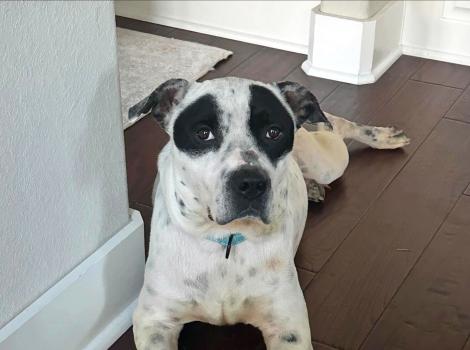
One of those dogs was Magnus, a big sweetheart who came to Best Friends and went to Frankie for fostering. Her photos and updates showed off his goofy personality beautifully, and before long someone reached out wanting to meet him. She still keeps in touch with his adopter.

The joy of transformation
For Frankie, the joy of fostering is in the transformation. “One of my absolute favorite parts is watching them go from scared and unsure to fully trusting and relaxed,” she says. “That transformation is really special.” She loves being the bridge between a pet’s past and their future, giving them a loving temporary home, preparing them for adoption, and sharing their stories.
Faces of No-Kill: Dog goes from shy to shining
Her advice for anyone considering fostering is simple: “Jump right in. I knew nothing about cats, let alone neonatal kittens, when I started. You do not need experience. You just need to care enough to want to help. And don’t let the fear of getting too attached stop you.”
She hears that fear all the time. “Yes, it can be emotional, but this is about them and giving them a chance,” she says. “Our hearts recover. For them, fostering can be life‑changing. And if you do fall in love and adopt, well, that’s just a foster win.”

Let's make every shelter and every community no-kill
Our goal at Best Friends is to support all animal shelters in the U.S. in reaching no-kill. No-kill means saving every dog and cat in a shelter who can be saved, accounting for community safety and good quality of life for pets.
Shelter staff can’t do it alone. Saving animals in shelters is everyone’s responsibility, and it takes support and participation from the community. No-kill is possible when we work together thoughtfully, honestly, and collaboratively.
You can help save homeless pets
You can help end the killing in shelters and save the lives of homeless pets when you foster, adopt, and advocate for the dogs and cats who need it most.


Saving lives around the country
Together, we're creating compassionate no-kill communities nationwide for pets and the people who care for them.
Get inspiring animal rescue stories delivered straight to your inbox
Never miss a feel-good animal story. When you give us your email, we’ll send you inspiring animal rescue stories each week, along with tips on different ways you can help save homeless pets in your community and beyond.