2026 is the new 2016 ... but not for animals
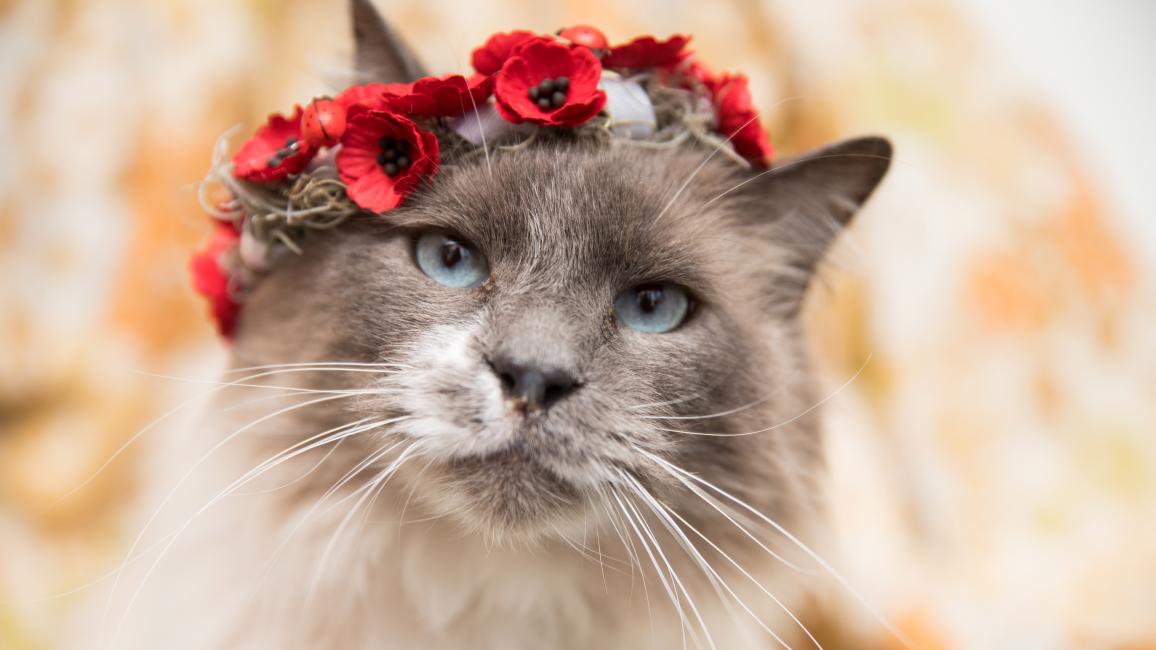
While I can’t claim to have used the infamous flower-crown Snapchat filter of 2016, this “2026 is the new 2016” trend has got me thinking about what the past decade has meant for animals in this country.
Listen, I’m all for a nostalgic reboot. I mean, 10 years is apparently long enough for skinny jeans and matte lipstick to come back around.
But let’s not go back to what life looked like for our pets in 2016. In shelters large and small — some with more resources than others, some in urban environments, and some in rural towns — we were killing over 1 million pets.
We saw this number, and the loss of life felt insurmountable.

2016 was also the year we planted the stake in the ground to make this country no-kill by 2025. We were called dream weavers. And looking at 1 million lives lost in 2016 alone, it felt a little dreamy, too. But we needed this bold goal –– this target –– to bring us to where we are today.
In 2016, our country was saving 71% of the animals who entered shelters. I am so proud that today, in 2026, I can say that the United States has propelled itself forward, now saving 82% of pets in shelters. That means we’re down from 1 million lives lost per year to around 400,000*. It’s still too many — but what incredible progress we’ve made in this decade.
In 1984, the founders of Best Friends asked, “Why are we talking about the best way to kill our best friends instead of the best way to save them?” And even within the past 10 years, we can see more and more people asking this question of themselves and of their communities.
Instead of scrambling after the task, we took the time to investigate what saves lives. We gathered needed data, connected across the movement, and created real change as a result. We started on the ground in every corner of this country, gathering as much information about our pets and people as we could. It is our job to answer the question of finding the best way to save our best friends –– and we take this job very seriously.

We’ve talked in great detail about these lifesaving programs, or the best ways to save our best friends. Programs that keep pets out of shelters and with their families when possible, community cat programs, foster programs, and adoption promotions have all been instrumental in saving more lives. If a community asked for help, together we stepped up. As a result, 77% of shelters in this country have achieved no-kill for at least one year at some point since 2016. That’s one heck of a trend.
And to hold ourselves accountable, Best Friends Pet Adoption Centers have more than doubled our adoption rates in the past decade, averaging around 8,000 adoptions in 2016 to over 17,000 adoptions in 2025. It was about us all coming together over what mattered most: saving animals’ lives.

Unlike fashion cycles, these lifesaving trends were built to last. This type of progress shows me what a difference a decade can make. So bring back your skinny jeans and pastel hair –– but let’s not go back to how we were treating our best friends.
-Julie
*preliminary 2025 data