Sometimes, saving a life starts with a bag of pet food
What does it take to save a life? Sometimes it takes a family adopting a cat from the shelter, a rescue group transporting 30 dogs to their future homes, or a second chance through medical care. Other times, it just takes a bag of food.
I was reminded of that recently when I came across a headline while visiting Manhattan. New York City was taking a big step toward helping families keep their pets, and it was doing so through a resource many people already rely on: food pantries.
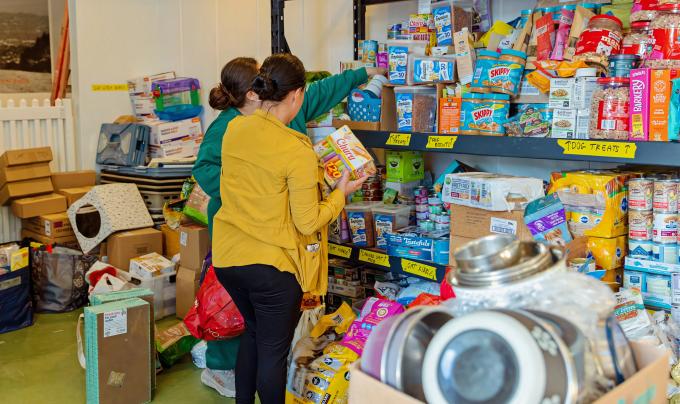
On October 15, the New York City Mayor’s Office and City Council announced $500,000 in funding to provide free dog and cat food at 22 city-funded food pantries across all five boroughs. The initiative allows families to pick up food for their pets alongside human essentials like groceries. It’s a smart move that will save lives, save the city money by keeping pets out of shelters, and recognize that pets are part of the families these programs serve.
I've said it before, and I'll keep saying it: Keeping dogs and cats out of shelters is just as important as finding homes for those already there. When rent, groceries, and utilities compete for space in an already stretched budget, the cost of feeding a beloved pet can feel impossible. Taking care of that one expense at no cost to the family can make a meaningful difference.
I know that a bag of food won’t solve every challenge a family faces. But it can help someone get through a difficult week without having to worry about how to feed their pet. Sometimes, a little breathing room is what helps a family keep moving forward together.
It’s a simple — but invaluable — form of lifesaving.
Here's where I think we have an enormous opportunity. If we want to keep more pets with the families who love them, we have to think beyond the walls of our shelters. Animal welfare organizations can't do this work alone. There are already organizations and programs helping families through difficult times in nearly every community. What would it take to make sure those efforts include their pets, too?
New York City isn't the only place recognizing that helping people through difficult times means helping their pets, too. The city of Denver, Colorado, offers another example. Their Temporary Pet Housing Program gives eligible residents a safe place for their pets while they navigate circumstances such as domestic violence, hospitalization, or treatment and recovery. By addressing a known barrier that can force someone to surrender a beloved pet, Denver is helping families stay together even when circumstances temporarily pull them apart.
Every community faces different challenges, and the forms of support — pet food assistance, temporary housing, accessible veterinary care — aren’t interchangeable. Each meets a particular need, and each can play a role in helping people care for their pets through difficult circumstances.
There is no single blueprint for this work. A large city and a rural community will have different resources and different ways of bringing their people together. But communities can learn from one another, share what works, and look for opportunities to connect the services people already rely on with the support their pets need.
As the no-kill movement matures, it has become clear that the best no-kill shelter is an entire community that is invested emotionally and financially in the safety of animals, whom the majority of Americans regard as part of the family.
What could this kind of support look like in your community? From helping pets in shelters find loving homes to encouraging local leaders to invest in programs that keep pets with their people, there are so many ways to make a difference. Explore the lifesaving work happening where you live and discover how you can help.
-Julie