Small shelter makes big difference for Kentucky’s pets
They say good things come in small packages. In rural Harlan County, Kentucky, that saying fits the local animal shelter just about perfectly.
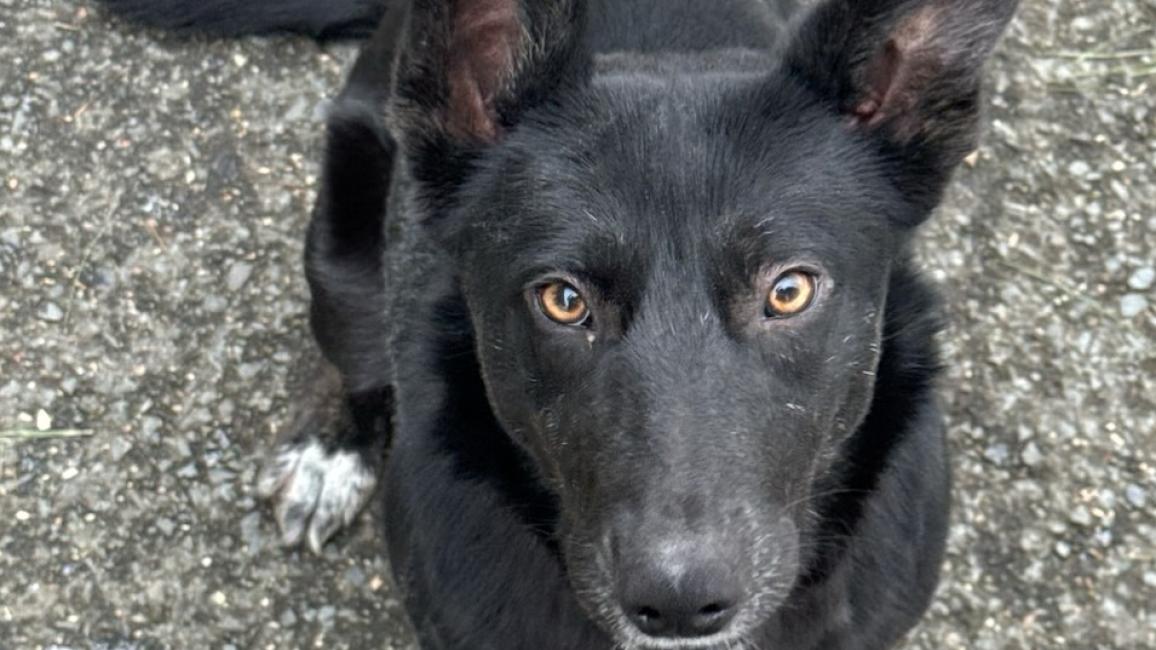
Tiny but mighty, Harlan County Animal Shelter, a Best Friends Network Partner, is saving more pets’ lives than ever before — pets like Lillie, a sweet, shy pup with fur the color of a moonless night.
When Lillie arrived at the shelter, she curled herself into a tight little ball in the corner of her kennel and tried to disappear into the shadows.
“She came in really scared and standoffish,” says Ryan Sawyers, manager of the shelter. “So we just started working with her a little bit every day, even if it was just handing her a treat or two.”
With time (and plenty of treats) Lillie began to unfurl. Little by little, she learned that people weren’t so scary after all. She started going for walks with volunteers and shelter staff, proudly sporting a pretty purple harness and leash. She relaxed, gained confidence, and began showing her affectionate, curious side.
Before long, Lillie was ready for her next adventure: a cross-country trip to the Best Friends Pet Adoption Center in New York with a few of her canine buddies from the shelter. To help support the shelter, Best Friends took in these pups to find them homes. Not long after that, she was adopted. Now she’s stretching out on comfy couches and beds (and possibly hogging them both) with her new family.
In many ways, Lillie’s story reflects the shelter’s own transformation.

A new outlook for pets and people
When Ryan stepped into the manager role in January 2025, the shelter was overwhelmed. The shelter takes in more than 1,700 pets each year with a staff of just four full-time employees and limited resources. There was no structured way to manage the steady flow of pets coming through the doors. The shelter had no formal volunteer or foster programs, they frequently had to combat disease outbreaks, and they needed help with recordkeeping.
Annie Fox, board chairman of Harlan County Friends of the Shelter, a nonprofit organization that supports the county shelter and also a Best Friends Network Partner, recalls one particularly chaotic day. In the span of just an hour, she says, one person came in to surrender a puppy, another arrived with a whole litter of puppies, and someone else came in hoping to adopt.
How rescue groups and shelters save more pets together
The small staff was doing all it could to keep up, but Ryan knew something needed to change if the shelter was going to help all the pets depending on it.
“My goal was to make it better than it was,” says Ryan. That meant not only changing how the shelter operated but also changing how people in the community saw it.
“At one time, people were scared to even bring animals here because they thought that any animal who came through the door would be euthanized,” Ryan says. “I wanted to change that. ... I know there is a place for euthanasia, but it should never be because of lack of space in the shelter.”
So Ryan began reaching out to animal rescue groups around the country to see whether they would be willing to take in animals from the shelter to find them homes faster.
That’s when he connected with Tiny N Tall Rescue, an Illinois rescue organization and Best Friends Network Partner.
“Tiny N Tall asked if it was OK to connect me with Best Friends, and I said yes,” recalls Ryan. “I’m cool with any help coming my way.”
Soon, he was working with Best Friends East Regional Strategist Carrie Lalonde. With one-on-one support from Carrie and the regional team, along with veterinary help from the Best Friends shelter medicine team, the shelter began putting new systems in place. Providing this kind of one-on-one support is one of the ways Best Friends is helping shelters across the country reach no-kill.
“We helped the shelter move to an appointment-based system to better handle the number of pets coming through the doors,” says Carrie. “That doesn’t mean they are turning those pets away. They’re just putting them into an appointment system, so they’re prepared for them.”
Inspiring tales of teamwork saving pets’ lives
The change also encouraged people to look at other options first, such as reaching out to family members, neighbors, or rescue groups, rather than automatically bringing animals to the shelter. It turned out that many pets didn’t end up needing their appointment to be turned in to the shelter after all.
“In one month, the number of pets coming in dropped from 102 to 67,” says Carrie. “And that’s continued in all the months after that, compared to those same months the previous year.”
That change gave staff a better way to care for the animals entering the shelter.

Connecting with the community
The new appointment system also gave staff more time to implement and strengthen the shelter’s adoption, volunteer, and foster programs.
“They’ve been proactive about getting pictures and posting pets on social media and promoting them for adoption,” Carrie says. “They’re always doing different adoption promotions like waived fees or reduced fees, and it’s been really effective.”
That progress has helped build trust with the community and draw in more volunteers. Dr. Colleen Guilfoyle, a Best Friends veterinarian who visited the shelter to help shore up disease protocols, says that volunteers now handle much of the daily animal care, which frees up staff to focus on facilitating adoptions and building partnerships with rescue groups.

Back on track
Dr. Colleen and another Best Friends veterinarian also helped address another major need: getting the shelter’s records and daily animal care back on track.
At the time, animals were often housed in kennels that didn’t match where the shelter software said they were, making it difficult to accurately track and care for each pet. Sometimes, the shelter software said there were pets in the shelter who hadn’t been there for years.
Over several days, the veterinarians helped reset the system, get pets into the correct kennels, and establish a daily routine for staff to monitor each animal.
To help save more cats in the community, Best Friends provided the shelter with a grant to help expand trap-neuter-vaccinate-return (TNVR) services through Harlan County Friends of the Shelter, which runs a low-cost spay and neuter clinic attached to the shelter building.
All these efforts have saved more animals’ lives. In less than two years, the shelter’s save rate (the percentage of animals who leave a shelter alive or are still there waiting for an outcome) climbed from 82% to 90% and has stayed there for the past seven months.
For a tiny shelter tucked into the rolling hills of eastern Kentucky, that’s no small thing. And for pets like Lillie, it has opened the door to a much bigger life.

Let's make every shelter and every community no-kill
Our goal at Best Friends is to support all animal shelters in the U.S. in reaching no-kill. No-kill means saving every dog and cat in a shelter who can be saved, accounting for community safety and good quality of life for pets.
Shelter staff can’t do it alone. Saving animals in shelters is everyone’s responsibility, and it takes support and participation from the community. No-kill is possible when we work together thoughtfully, honestly, and collaboratively.
You can help save homeless pets
You can help end the killing in shelters and save the lives of homeless pets when you foster, adopt, and advocate for the dogs and cats who need it most.


Saving lives around the country
Together, we're creating compassionate no-kill communities nationwide for pets and the people who care for them.
Get inspiring animal rescue stories delivered straight to your inbox
Never miss a feel-good animal story. When you give us your email, we’ll send you inspiring animal rescue stories each week, along with tips on different ways you can help save homeless pets in your community and beyond.