Busting barriers between adoptable pets and home
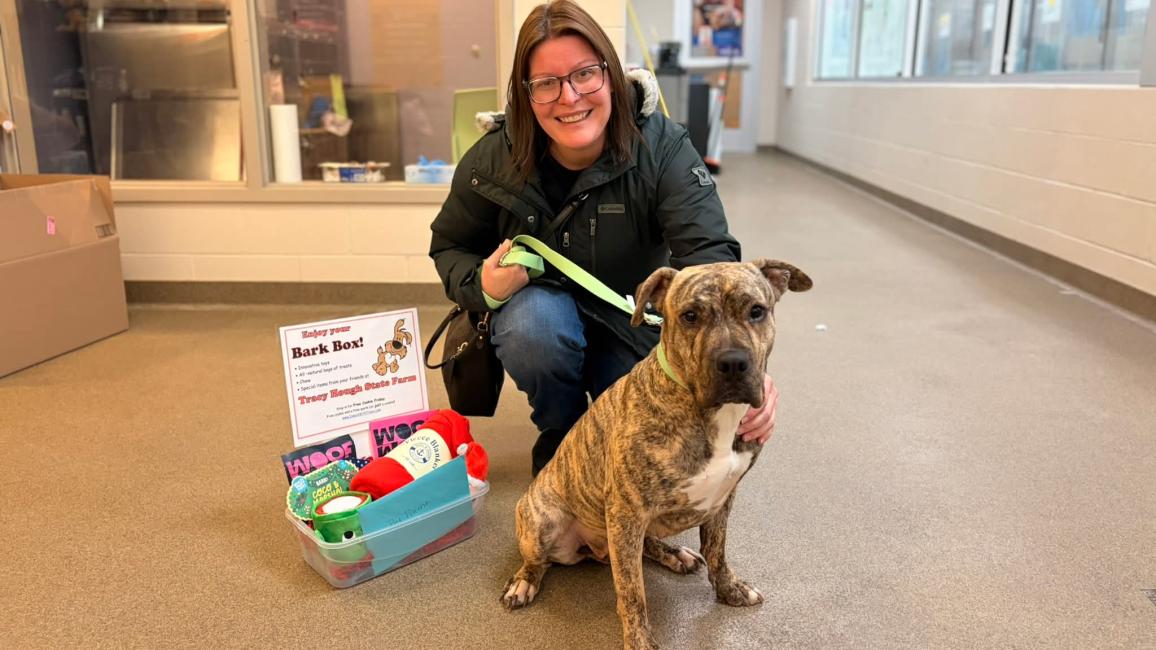
Sometimes the biggest barrier between a pet and a home is a piece of paper. Checklists can get in the way of conversations — and keep people from ever meeting their new best friend. By picking up the phone and not relying only on an adoption application, animal rescue groups and shelters can make it easier for people to adopt. It’s a small shift with a big ripple: When adoption feels more approachable, more pets land in new homes.
More than 15,000 pets moved out of shelters and into homes in just one month during the most recent Best Friends Bring Love Home Challenge. Hundreds of Best Friends Network Partners (a community of thousands of animal welfare groups and shelters working to save dogs and cats across the country) participated in the challenge, with Best Friends contributing more than $500,000 in funding to support participating partners. The goal was to pilot at least one new adoption practice, such as reducing adoption fees, shortening applications, skipping home checks, and trying creative marketing ideas to bring people in to adopt.
“This Bring Love Home Challenge was our largest yet,” says Whitney Bollinger, director of network operations at Best Friends. “It’s about more than finding pets a home; it’s about changing how we think about getting them there. We’re asking our partners to look at the barriers standing between animals and the families who want them and to try something new with our support. Because when we remove those barriers, build trust, and change the way we work, we don’t just place more pets and save more lives. We transform communities.”

Opening doors
When Animal A.I.D. of Mississippi Rescue had 14 puppies from a single litter who needed homes, shifting from a strict application process to a conversation-first approach made all the difference for Claire, a wiggly pup with floppy ears.
A family saw her sweet face on the rescue group’s website and filled out an application. “We received an application for Claire that, in the past, we would have rejected immediately,” says Anne Williford, board secretary at Animal A.I.D. of Mississippi. It’s all too common for organizations to use applications as a way to look for “red flags.” It comes from a place of care for the animals, but it can also turn away people who could give a pet a fantastic home.
Anne and the Animal A.I.D. of Mississippi team realized there might be some shortcomings in their application process, and through the Bring Love Home Challenge, they were willing to try a different approach. Instead of denying the application, Anne picked up the phone. “It was immediately clear that they were wonderful dog lovers,” she says. “We recently received photos of Claire (now named Tilly), and she is clearly adored. This match only happened because we chose to have a conversation instead of just judging a piece of paper.”

Recipe for success
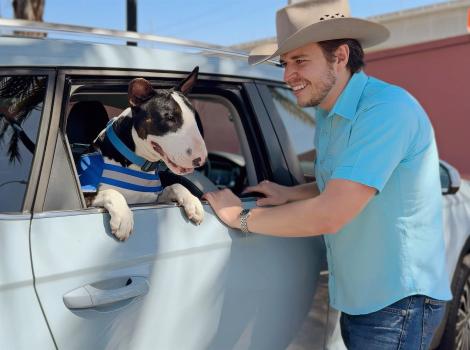
When shelters pair conversation-based adoptions with other barrier-busting tools, the impact can be even bigger. By combining a variety of new adoption practices at once, Douglas Animal Shelter — a tiny shelter in rural Arizona — created a recipe for success that increased their pet adoptions by 350% over the previous year. One of those adoptions was Rex, a blocky-headed pup with a squishy face. He’s adorable and gives the best smooches, but despite that, he had been at the shelter for nearly a year.
During the Bring Love Home Challenge, the team whipped up a lifesaving mix: same-day adoptions, extended hours, fee-waived adoptions, a robust amount of online promotion, plus a special adoption event that brought in families who might not have visited the shelter otherwise. One such family met Rex, spent a few hours with him, and promptly fell head over paws in love. They adopted him that day.
The changes made by the shelter encouraged more people to walk through the door — and helped Rex walk out with a family. But some pets need time to find their footing before they’re ready to meet anyone new.

A softer landing
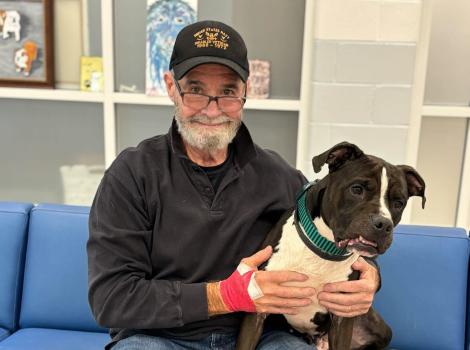
Lucy’s world changed overnight when she ended up at Midlands Humane Society in Iowa. The brindled pup had spent her entire life in one home with the same routine, the same familiar smells, and the same people. So when Lucy arrived at the shelter, to say she was overwhelmed was an understatement.
The team at Midlands Humane Society recognized that Lucy needed a softer landing than the hustle and bustle of the shelter. That’s when a longtime foster family stepped in and opened their home to her. In foster care, Lucy settled into the quiet rhythm of home life again. With the family providing patience, consistency, and a whole lot of understanding, she gained confidence and began showing her affectionate, curious side.
Her next stroke of luck happened when the shelter participated in the Bring Love Home Challenge and put on an event with waived adoption fees. The purpose of the event was to make it easier for people to say yes to adoption. That’s where Lucy met her person, and she’s now living her best life in a new home surrounded by love and snuggles.
For Lucy, foster care and the right timing made all the difference. For other pets, the turning point is visibility — and sometimes that starts with something as small as a button.
Buttoning up creativity
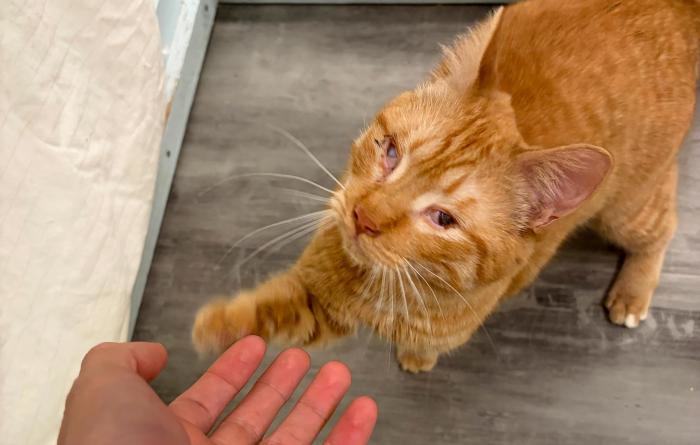
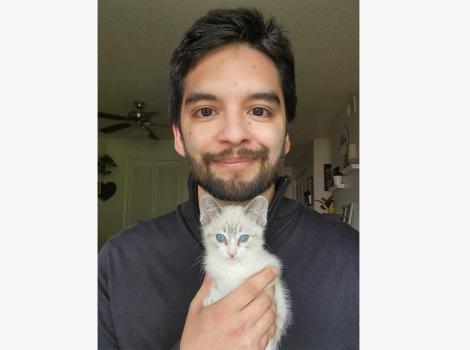
“Ray came to us with a long list of serious health challenges,” says Amelia Taumoepeau, who works at Nine Lives Foundation in California. “For four months he received continuous, intensive care from our veterinary team and the unwavering support of a devoted foster family. He purred during exams, leaned into every touch, and simply wanted to be loved.”
During the Bring Love Home Challenge, the Nine Lives team focused on helping more people notice cats who had been with the organization for a while. Staff wore buttons that said “Adopt me” and featured photos of specific cats. “The ‘Adopt me’ buttons are eye-catching, and people ask about them,” says Amelia. “It gives us a chance to highlight cats who have been here longer and to share their stories with more people.”
It worked for Ray. On the last day of the challenge, Jean Sebring came in looking for a new feline companion after losing two of hers within a few months. The match with Ray felt meant to be: Her late husband’s name was Ray, and on the car ride home, a song called “Ray of Light” popped up on the radio.
“He’s adorable, just as cute as he can be,” Jean says. “He’s loving, lively, and just wants attention and love.”
Amelia adds, “Ray is a precious soul whose journey reminds us why this work matters.”
From “Adopt me” buttons to fee-waived and conversation-based adoptions, these rescue groups and shelters show what’s possible when they make adoption easier for people: More purring kitties and wiggly pups land in the loving homes they deserve.

This article was originally published in the May/June 2026 issue of Best Friends magazine. Want more good news? Become a member and get stories like this six times a year.
Let's make every shelter and every community no-kill
Our goal at Best Friends is to support all animal shelters in the U.S. in reaching no-kill. No-kill means saving every dog and cat in a shelter who can be saved, accounting for community safety and good quality of life for pets.
Shelter staff can’t do it alone. Saving animals in shelters is everyone’s responsibility, and it takes support and participation from the community. No-kill is possible when we work together thoughtfully, honestly, and collaboratively.
You can help save homeless pets
You can help end the killing in shelters and save the lives of homeless pets when you foster, adopt, and advocate for the dogs and cats who need it most.


Saving lives around the country
Together, we're creating compassionate no-kill communities nationwide for pets and the people who care for them.
Get inspiring animal rescue stories delivered straight to your inbox
Never miss a feel-good animal story. When you give us your email, we’ll send you inspiring animal rescue stories each week, along with tips on different ways you can help save homeless pets in your community and beyond.