How Bunny became a busy CEO (cat executive officer)
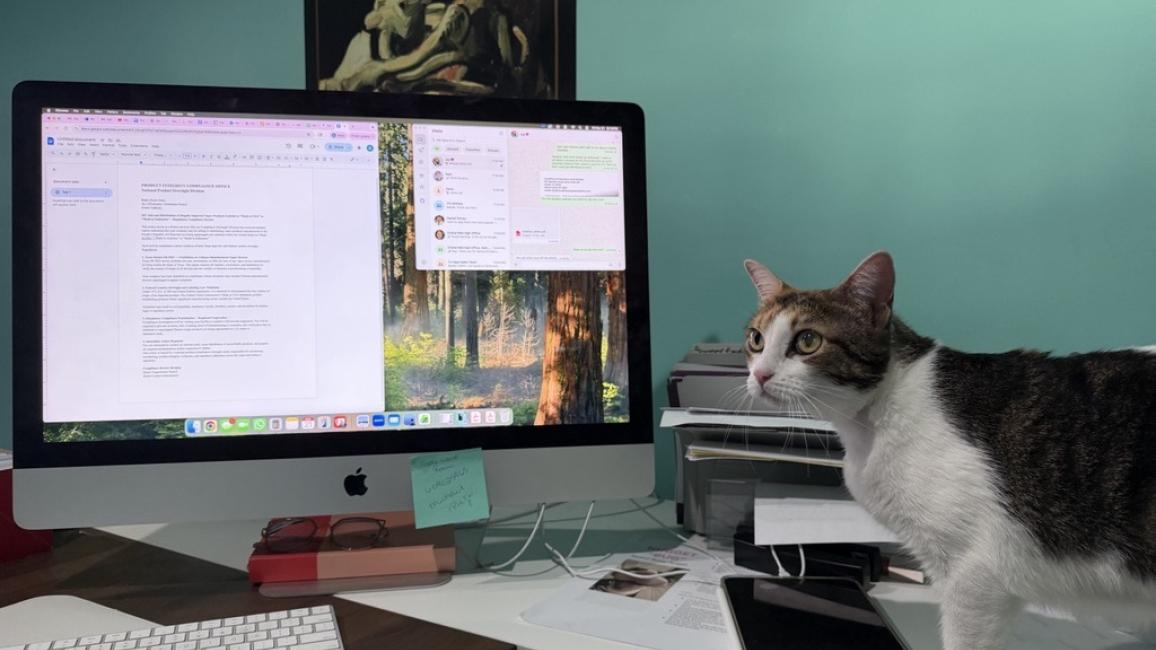
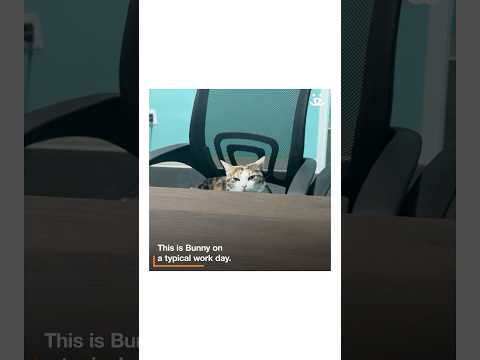
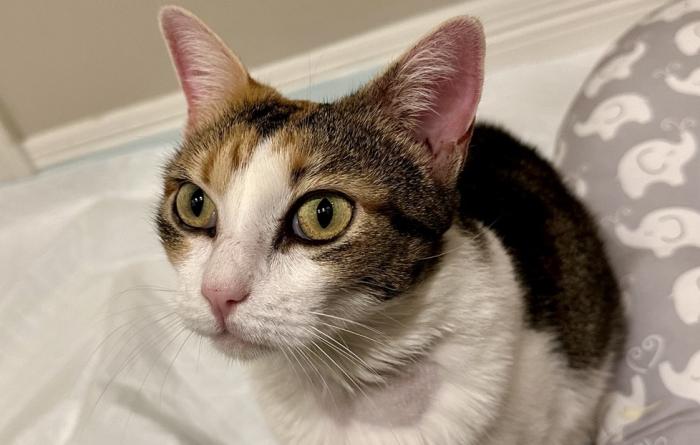
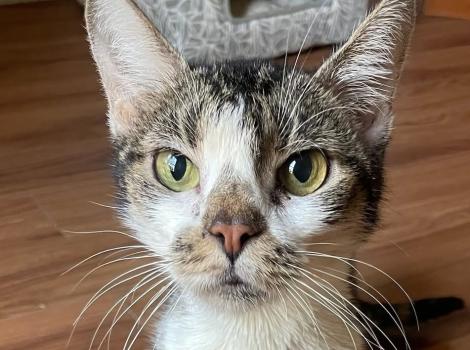
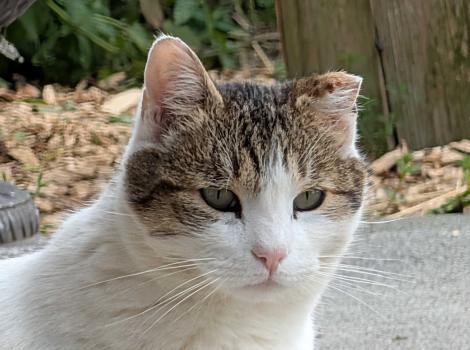
The charming 2-year-old calico cat arrived at a rural municipal shelter in Texas with a badly injured and infected tail. The shelter was full and had limited resources for veterinary care. So the Best Friends team in Houston offered to take in Bunny to get her healthy and find her a home.
Best Friends’ goal is for all shelters to reach no-kill, and that means working together with other animal welfare organizations to save pets’ lives, giving each one what they need to move out of the shelter and into a happy new life.

Bunny hops to health
The veterinary team went right to work on Bunny, starting her on antibiotics and pain medication. She was also outfitted with a medical cone to prevent any tail licking — which she had some strong opinions about, though it didn’t affect her outgoing, affectionate nature.
Despite the treatment, it was clear her tail wasn’t healing. It was still swollen and painful, and she couldn’t flick or lift it. So the vet team determined the best course was amputation.
While cats do use their tails for balance, they can adapt to life just fine without one. Some are even naturally born without tails. Bunny sailed through her surgery and went to her foster home with Sophia Proler, Best Friends’ south central regional director, to recover.
Faces of No-Kill: Cat heals from injury in style
However, days later, Sophia noticed Bunny’s swelling still hadn’t gone down after the surgery like it should have. So she took Bunny back to the vet, who prescribed a somewhat unusual treatment for a cat (many of whom don’t like water): hydrotherapy. “It’s an organic way to support the healing process by reducing inflammation and stimulating healing,” Sophia says. The question was whether Bunny would appreciate soaking in warm water.
Sophia placed Bunny in a bathtub and turned on the faucet just enough to get a slow, steady drip of warm water. Then she kept her paws crossed. “I prayed she didn’t lose her mind,” she says. To her credit, Bunny did remarkably well, allowing the water to drip over her for about two minutes at a time.
The water did wonders, bringing down Bunny’s swelling and helping her feel more comfortable. She was ready for her next chapter.

Finding her work-life balance
Meanwhile, a woman in Houston was hoping to adopt a cat she could bring to work with her. Ashley Vilella had already adopted a cat from Best Friends, but Nugget, who’s now 13 years old, is uninterested in office work.
When she learned about Bunny from the Best Friends team in Houston, Ashley’s heart leapt. “I’ve always gravitated toward animals who don’t fit the norm,” she says. As soon as she met her, Ashley knew she wanted to adopt Bunny.
Bunny fit perfectly into Ashley’s family. “She’s so affectionate that it’s like she wants to live in my skin,” Ashley says. She doesn’t turn it off at night either, as Bunny sleeps on one side of Ashley, Nugget on the other. She’s also quite the character — numerous personalities inside her little body. “Some days she loves everybody, and other days she side-eyes everybody.”
From tongue to tail, kitten thrives after trauma
Bunny has also proven to be a loyal office mate, maintaining a Monday-Friday schedule where Ashley works. Bunny mainly hangs out in Ashley’s office but also strolls around to charm co-workers and boost team morale. The pair commute home together each night.
Bunny has adapted well to life without a tail, though she might be “a little clumsier,” Ashley says, adding that people smile when they see Bunny’s signature bunny hop as she climbs stairs. “I adore her little quirk.”

Let's make every shelter and every community no-kill
Our goal at Best Friends is to support all animal shelters in the U.S. in reaching no-kill. No-kill means saving every dog and cat in a shelter who can be saved, accounting for community safety and good quality of life for pets.
Shelter staff can’t do it alone. Saving animals in shelters is everyone’s responsibility, and it takes support and participation from the community. No-kill is possible when we work together thoughtfully, honestly, and collaboratively.

You can help save homeless pets
You can help end the killing in shelters and save the lives of homeless pets when you foster, adopt, and advocate for the dogs and cats who need it most.


Saving lives around the country
Together, we're creating compassionate no-kill communities nationwide for pets and the people who care for them.
Get inspiring animal rescue stories delivered straight to your inbox
Never miss a feel-good animal story. When you give us your email, we’ll send you inspiring animal rescue stories each week, along with tips on different ways you can help save homeless pets in your community and beyond.