Grants expand access to veterinary care for Los Angeles pets
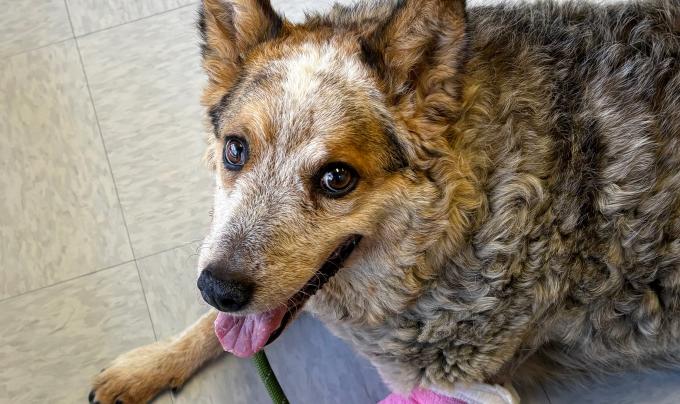
Maui is a big dog with an important job: She’s the mayor. Not officially, but that’s what her family and customers at their shop call her. When her family asked their veterinarian about having her spayed, they were taken aback by the cost — surgery for large dogs often runs into four figures, a real barrier for many families.
But there was another option. Community Animal Medicine Project, or CAMP, is a Los Angeles nonprofit and part of the Best Friends Network Partner program. CAMP’s focus is providing low-cost spay/neuter and vet care, and they could help Maui. Soon she was headed in for her spay surgery at a fraction of the cost to her family.
Meanwhile, a van from Kitten Rescue, another partner, pulls up to the Best Friends center with 25 cats there to be spayed or neutered. After surgery, they’ll return to their outdoor neighborhoods vaccinated and unable to have kittens.
In another part of the city, a staff person from Paws for Life K9 Rescue is headed to Los Angeles Animal Services (LAAS) to pick up dogs with urgent medical needs, as well as large dogs who are often overlooked in the shelter.
What do these instances have in common? Each is about a Los Angeles organization that received grant funding from Best Friends. “We gave out about $1.6 million in grants in L.A. this year to organizations that are doing lifesaving work here every day,” says Brittany Thorn, Best Friends executive director in Los Angeles. “We looked at what will have the greatest impact in saving dogs and cats, and that’s how we plan our own programming, as well as choosing how to award grant funding.”
Best Friends and ASPCA make historic joint commitment to Los Angeles animals
The data is clear. The animals most likely to be killed in L.A. shelters are very young kittens and large dogs. “There isn’t just one solution to saving dogs and cats in L.A.,” Brittany says. “It takes many of us working together on preventative solutions as well as quickly moving pets out of shelters and into loving homes if they do end up there.” So that’s the focus of Best Friends’ work as well as grant funding.
“Supporting other organizations with funding is one way we can multiply Best Friends’ impact,” Brittany says. "We're proud to invest in the organizations already doing this work in our community. Backing them means the work reaches further than we could on our own."

Preventing litters and helping pets go back home
Maui, the giant, unofficial mayor of her domain, is one of hundreds of pets to be spayed or neutered by the team at CAMP this year. CAMP was awarded two grants from Best Friends — one that began in January to fund surgeries and a second one in July for $500,000 toward their veterinary teaching program.

The grant aims to provide at least 3,300 spay or neuter surgeries, while also training at least 50 veterinarians and vet techs.
“This program directly addresses the shortage of veterinarians and registered veterinary technicians trained in high-volume spay/neuter surgery,” says Zoey Knittel from CAMP. “The grants from Best Friends help CAMP keep our prices low and our doors open to every pet family who needs us, regardless of their financial situation.”
Meanwhile, Caravita Foundation received $116,000 from Best Friends to spay or neuter 1,000 dogs and cats in Los Angeles in 2026. Caravita founder Lauren Lundy says, “Our mission is built on collaboration. No one organization can do this alone, and we’re honored to work with Best Friends to accelerate the pace of adoptions in Los Angeles.” To date, they have surpassed the expected number of surgeries each quarter.
Grants also help pets who need other types of support. Stray Cat Alliance received a Best Friends grant for nearly $750,000 to help fund several of their programs. One of their core activities is the Safe at Home program, intercepting cat and kitten surrenders at the South L.A. shelter and working with families to foster instead. The program keeps animals out of the shelter system and with the people who know them best. Lisa Sorrentino from Stray Cat Alliance says, “We’ve taken in 457 kittens through Safe at Home this year — over 90% of our goal, with four months of the year left.”
Saving pets at risk
Some animals come into shelters needing extensive veterinary care due to illness, injury, or age (in the case of newborn kittens). This year, Angel City Pit Bulls was awarded a $165,000 grant to take in 250 dogs with medical needs and 400 kittens under 8 weeks old from LAAS. You read that right; a pit bull rescue group is taking hundreds of kittens into their foster program from the city shelter system. Several years ago, they expanded their work to include kittens because of the great need.
‘Kitten kits’ help a California shelter save more pets
Paws for Life K9 Rescue received $183,600 this year to take in 650 large dogs and 200 dogs at risk at LAAS due to urgent medical needs. They’ve been working at full speed to identify and take in dogs, get them the care they need, and place them in homes.
Additionally, Wags and Walks and A Purposeful Rescue received grants totaling more than $150,000 to take in at least 200 large dogs and those with urgent medical needs. Already this year, Wags and Walks has taken in senior dogs who needed dental care, mama dogs and their puppies, and many others who needed intervention to make it out of the shelter.
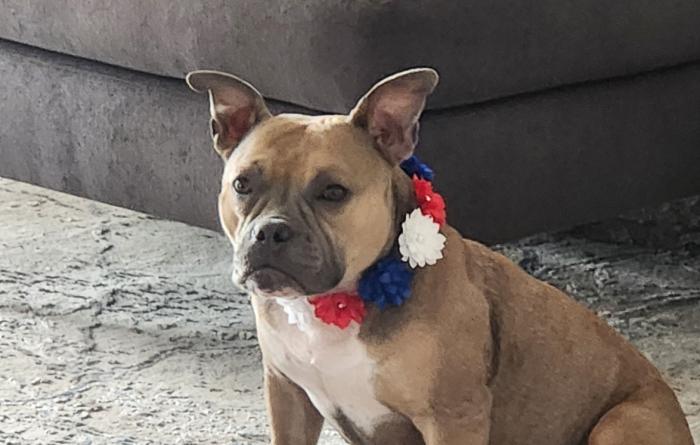
One of the dogs living her best life today thanks to A Purposeful Rescue is Steve. She had wounds on her leg that needed treatment, and overall it was clear that she didn’t feel well. (It’s not a typo; Steve is a female.) A vet check revealed her liver and kidney values were extremely abnormal. She was hospitalized and then got lots of love and care in a foster home. Now Steve is back to her smiling, happy self, thanks to getting the care she needed.

Tiny kittens, big need
Several organizations in L.A. are taking in kittens every week with support from Best Friends grant funds. Kitten Rescue, Rory to the Rescue, and Kitty Bungalow received grants this year totaling nearly $265,000 with the goal to take in at least 1,650 kittens and cats from the city shelters. One of those kittens was Stuart, a tiny white kitten with a ruptured eye, who ended up in the shelter.
Rory to the Rescue took him in and got him the surgery he needed to remove his eye and neuter him. He was adopted right away after his recovery.

Stories like Stuart’s, Steve’s, Maui’s, and so many others are what happen when people work together and address the multilayered reasons that pets end up in shelters.
None of this happens without people on the ground who run spay/neuter clinics, help families keep the pets they love, and move dogs and cats out of shelters and into homes. Grants from Best Friends help keep that work funded. It's not one solution. It's hundreds of small ones happening every day, in every corner of the city, that give pets a second chance.
Let's make every shelter and every community no-kill
Our goal at Best Friends is to support all animal shelters in the U.S. in reaching no-kill. No-kill means saving every dog and cat in a shelter who can be saved, accounting for community safety and good quality of life for pets.
Shelter staff can’t do it alone. Saving animals in shelters is everyone’s responsibility, and it takes support and participation from the community. No-kill is possible when we work together thoughtfully, honestly, and collaboratively.
You can help save homeless pets
You can help end the killing in shelters and save the lives of homeless pets when you foster, adopt, and advocate for the dogs and cats who need it most.


Saving lives around the country
Together, we're creating compassionate no-kill communities nationwide for pets and the people who care for them.

Get inspiring animal rescue stories delivered straight to your inbox
Never miss a feel-good animal story. When you give us your email, we’ll send you inspiring animal rescue stories each week, along with tips on different ways you can help save homeless pets in your community and beyond.