Helping pets after Navajo Nation, Utah, New Mexico floods
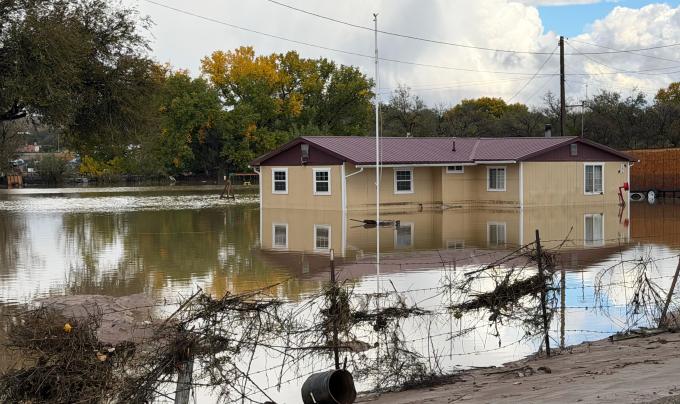
The puppy was barely moving and soaking wet after floodwaters swept across the Navajo Nation. But there was hope.
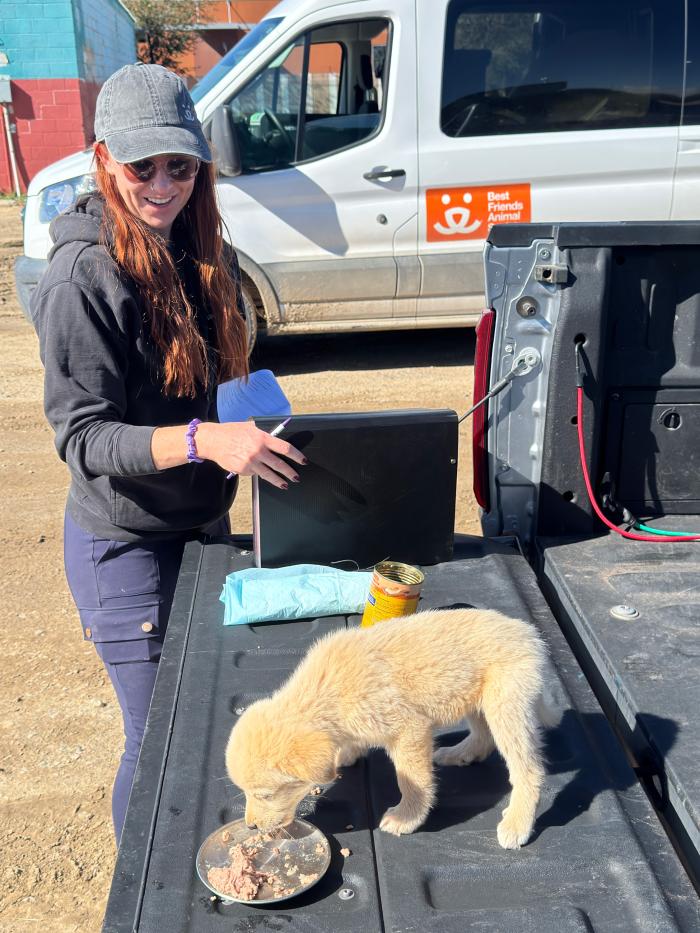
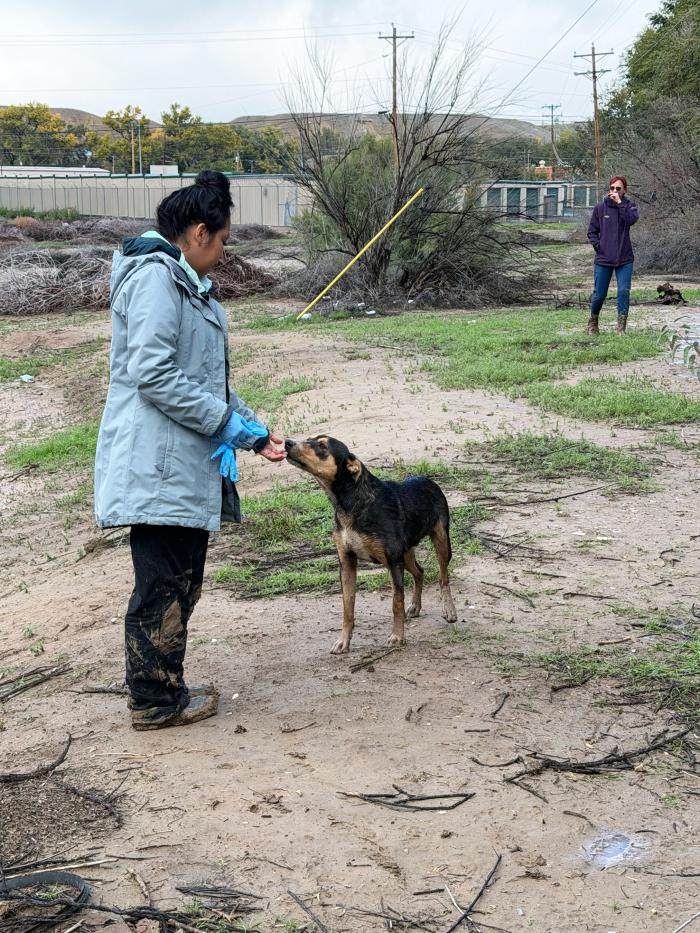
The woman who spotted the tiny puppy scooped her up, got her warm, and took her to RezRoads Rescue, a participant in the Best Friends Network Partner program. When the puppy, later named Honey Bun, wasn’t eating much, RezRoads reached out to Best Friends Animal Society, and veterinary technician Malyn Gilbert came out to help.
“By the time I saw the puppy, she was brighter,” Malyn says. “We got her to eat some canned food, and she was looking pretty good other than being thin.”
Malyn gave Honey Bun puppy vaccinations, a dewormer, and medication for the ticks she’d picked up. Then, the woman who found her stepped up again, agreeing to foster Honey Bun for Soul Dog Rescue, which is also part of the network partner program and had space for her. Honey Bun will stay in her foster home until she is big enough to be spayed and then adopted.
Best Friends supports communities around the country as they embrace no-kill programs designed to save dogs’ and cats’ lives, and that support doesn’t stop when disaster strikes. Honey Bun was one of many pets Best Friends and our partners helped after flooding hit parts of the Navajo Nation, New Mexico, and Utah.
Teams on the ground
In late October, heavy rain fell for days and sent the San Juan River to record high levels, forcing evacuations across the region. Best Friends’ emergency response team was on the ground as soon as it was safe to be there, delivering pet food and assessing what animals and their people needed most.
The floods forced Best Friends to postpone a large spay/neuter event planned on the Navajo Nation that same week. But the team scheduled to run it showed up anyway, ready to help in a different way. They’re working with Navajo Nation Animal Control, rangers, and local leaders to help people and pets impacted by the flooding. They’re helping field officers with evacuations and animal calls, and they’ve brought four trailers of supplies.
With roads washed out or damaged, some families were cut off. So Best Friends also sent an off-road utility vehicle to carry pet food, people food, and other essentials into those areas in coordination with local police. And because not every pet could be evacuated, Best Friends has provided cameras to keep an eye on feeding stations for pets staying close to their homes.
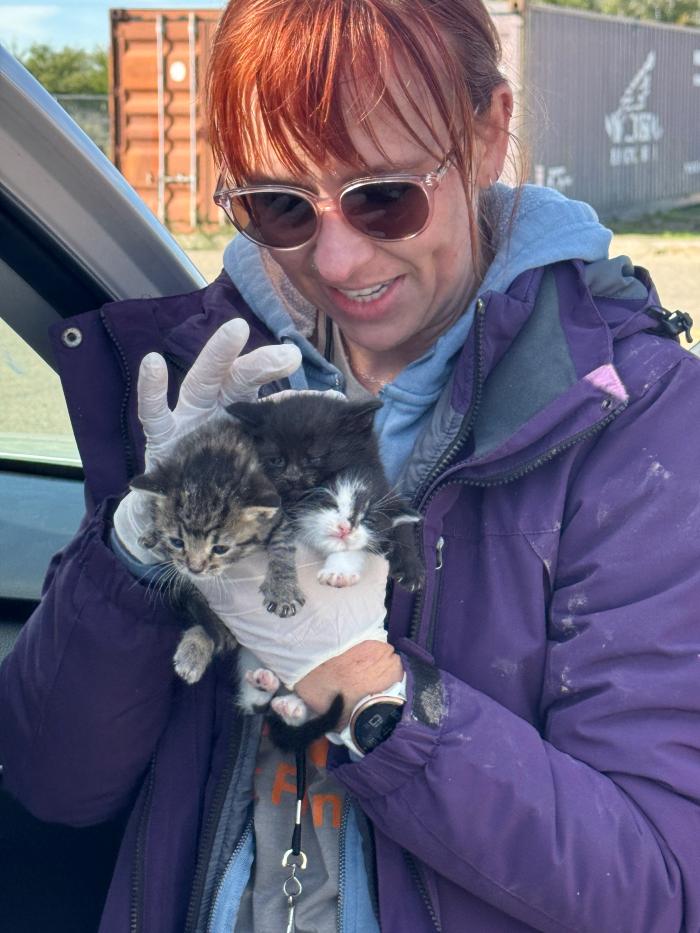
Some people have found animals in need and have stepped in to help. In Nenahnezad, New Mexico, a family came across three tiny kittens near the water line. There was no sign of their mom or any other kittens. Malyn brought the family food and a carrier for the kittens, and now the three fluffy littermates are settling into Cat World at Best Friends Animal Sanctuary.
“At the heart of this response are Navajo Nation residents showing up for one another,” says Tiffany Deaton, who coordinates emergency response for Best Friends. “Neighbors helping neighbors and caring for the animals who are part of their families — that’s what makes this work possible. Our team is grateful to work alongside them and support those efforts.”
Keeping families together
For many people, leaving home in an emergency means figuring out what to do with their pets. A few days after the storms cleared, the Best Friends team met a family whose home was flooded with contaminated water and wasn’t safe to return to. Best Friends paid for several nights at pet-friendly lodging, so the family, their dog, and their cat could stay together while Navajo Nation leaders connected them with more help.
In southeast Utah, flooding near Bluff and Blanding displaced residents, and the Red Cross evacuation shelter in Blanding couldn’t take pets. So Best Friends covered pet-friendly lodging for displaced families and sent a van of pet supplies from Salt Lake City to the evacuation shelter, where people in need could come by to pick them up.
Shelters helping shelters
When the floodwaters swept through Grants, New Mexico, Madisen Martinez, director of Grants Animal Care Center, went straight to the shelter. The building hadn’t flooded, and the animals were safe. But the shelter was already full and short-staffed that week, and it needed to be ready for pets displaced by the flooding.
“We were even discussing the possibility of setting up temporary kennels at the city recreation center if emergency intakes exceeded our available space,” Madisen says.
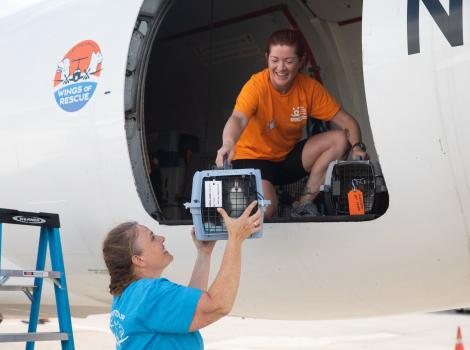
Madisen reached out to Best Friends regional strategist Desiree Triste-Aragon to help coordinate resources and connect with other shelters. Desiree hopped in her car immediately, drove to Grants, and spent the night at the shelter, planning with the team for the days ahead. The next morning, they had a plan: Best Friends would help coordinate a large transfer of adoptable animals out of the Grants shelter to other animal welfare groups to create room for pets displaced by the flooding. Shelter staff, volunteers, drivers, and partner organizations spent the day arranging veterinary appointments for health certificates, gathering medical records, and getting animals ready to travel.
“Moving so many animals gave us room to breathe and, more importantly, the ability to respond to our community’s needs,” Madisen says.
More than 30 pets left the Grants shelter, all of them animals who were already at the shelter and available for adoption before the floods. Santa Fe Animal Shelter & Humane Society took 14 dogs, and Best Friends provided a $500 emergency stipend for each one to help cover their care.
Another 19 cats, dogs, kittens, and puppies traveled to the Best Friends Pet Adoption Center in Salt Lake City. From there, each one went to one of four network partners in Utah: Because Animals Matter, Animal Care of Davis County, South Salt Lake Animal Services, and Mountain Mama Pyrs and Pups. Those pets were immediately available for adoption, and some have since gone home with new families.
Fresh starts and new hope
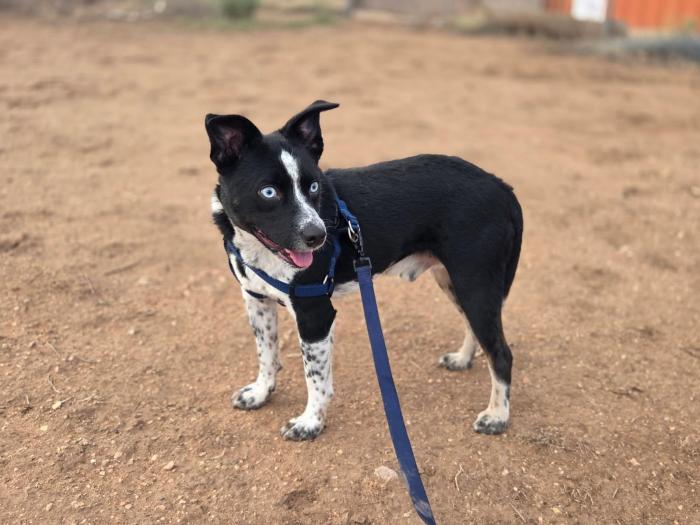
The transfer also gave the adoptable pets a fresh start, especially those who had been at the Grants shelter for a while. One of them was Yang, a dog who had been at the shelter for just over a year. He went to Because Animals Matter, where he’ll have the opportunity to meet a whole new community of animal lovers looking for a new pet to take home.
“An emergency created an urgent need, but the response also opened doors for animals who had been waiting far too long for their opportunity,” Madisen says.
In Santa Fe, the call for help came on a weekend when several key staff members were out, so CEO Jackie Roach was covering the shelter when the request came in. Jackie’s philosophy is to “start with yes.” She worked with every department to make space, prepare for the dogs’ medical needs, and arrange transportation, and the shelter welcomed all 14 dogs within just a few hours.
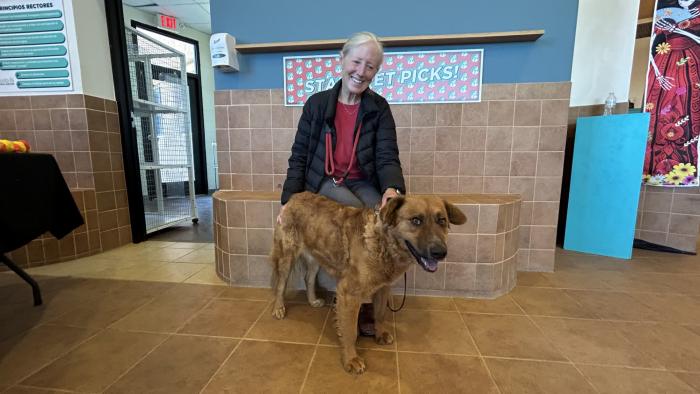
“We were proud to step up for our colleagues in Grants,” says Sarah Baeckler of Santa Fe Animal Shelter & Humane Society. One of the dogs they took in, Red, has already been adopted by a longtime supporter and volunteer. “It was definitely a match made in heaven,” Sarah says.
Stronger together
With shelter space freed up thanks to the other groups taking in adoptable pets, Grants Animal Care Center has been able to take in pets found during the storms and has already reunited some with their families. With more space and partners to call on, the shelter is in a stronger position if more storms arrive.
“We couldn’t have done this alone, and we shouldn’t have to,” Madisen says. “When shelters support one another, we can protect animals during disasters, help families through difficult circumstances, and create lifesaving opportunities that might otherwise be out of reach.”
Let's make every shelter and every community no-kill
Our goal at Best Friends is to support all animal shelters in the U.S. in reaching no-kill. No-kill means saving every dog and cat in a shelter who can be saved, accounting for community safety and good quality of life for pets.
Shelter staff can’t do it alone. Saving animals in shelters is everyone’s responsibility, and it takes support and participation from the community. No-kill is possible when we work together thoughtfully, honestly, and collaboratively.

You can help save homeless pets
You can help end the killing in shelters and save the lives of homeless pets when you foster, adopt, and advocate for the dogs and cats who need it most.
Saving lives around the country
Together, we're creating compassionate no-kill communities nationwide for pets and the people who care for them.
Get inspiring animal rescue stories delivered straight to your inbox
Never miss a feel-good animal story. When you give us your email, we’ll send you inspiring animal rescue stories each week, along with tips on different ways you can help save homeless pets in your community and beyond.