Foster challenge helps over 20,000 pets
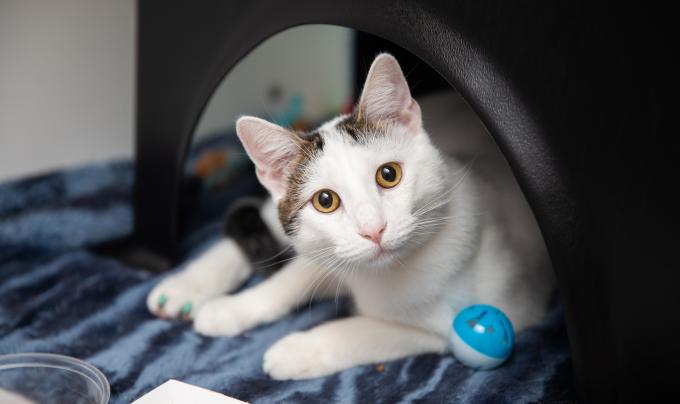
In just one month, more than 20,100 pets in shelters got to experience being loved in a home. They snoozed in people’s living rooms and curled up at the foot of someone’s bed. They got there because more than 150 animal welfare organizations spent a month trying something new as part of the Best Friends Foster Forward Challenge. The challenge was one of several offered throughout the year by Best Friends Animal Society, all designed to help partners save more lives with proven no-kill programs.
The Foster Forward Challenge encouraged shelters to pilot data-backed practices — such as doggy-day-out programs and same-day foster placements — to grow their foster programs. Participating organizations received grants from Best Friends to support their efforts.
All that was left was to welcome people in and give fostering (or fostering in a new way) a try. Across the country, people responded when asked. Experienced volunteers pitched in to foster a pet, and nearly 4,000 people tried it for the first time. There are countless heartwarming stories from a hugely successful month of pets going into foster homes and adoptive homes. Here are just a few.
Foster volunteer and promoter
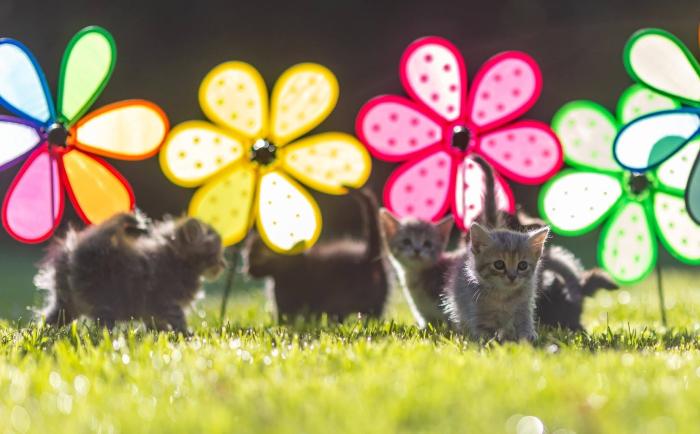
Cuddle Cat Rescue in Missouri tried out several practices that were new to their foster program, including offering same-day foster opportunities and allowing foster volunteers to promote their foster pets and lead the adoption process. One of those volunteers, Katie, fostered a mama cat named Moon Pie and her five kittens. Katie and her friend, McKenzy, took amazing photos of them, spread the word to her friends, and brought them to a fundraising event for the rescue group. Her efforts worked like a charm, and her foster felines were soon adopted.
The difference a day makes
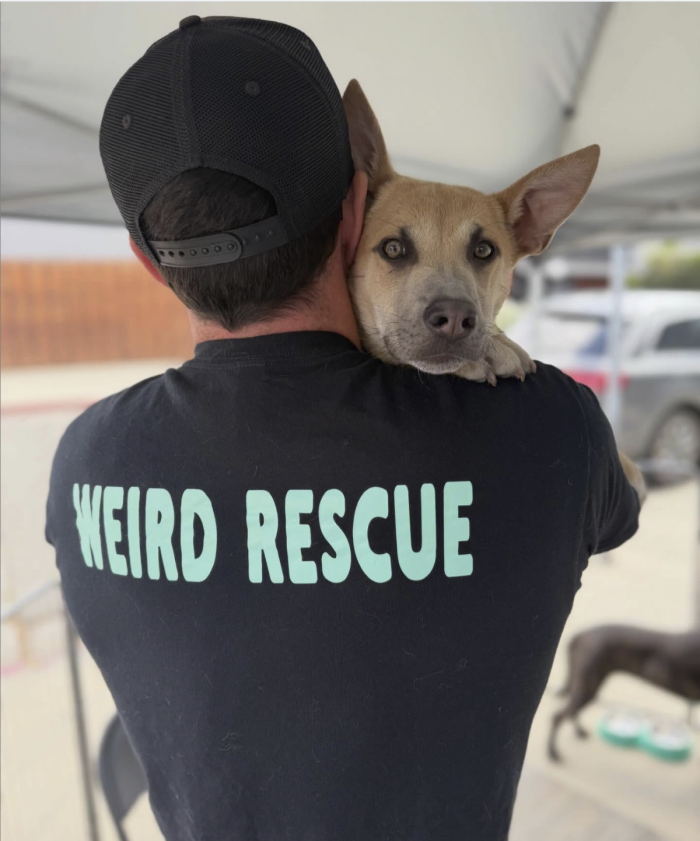
Fostering doesn’t have to be a long-term commitment. Weird Rescue in L.A. proved it with their “foster flings.” They asked people to help for a short time until they could find longer foster placement for dogs at risk of being killed in a shelter. The group piloted foster day dates, field trips with volunteers that help build the confidence of scared dogs. Six-month-old Bailey was too shy for adoption events, but a few foster day dates to coffee shops and hiking outings brought out her true personality, and she was adopted. During the challenge, Weird Rescue brought 450% more dogs into foster care than in the same period last year.
Volleyball win
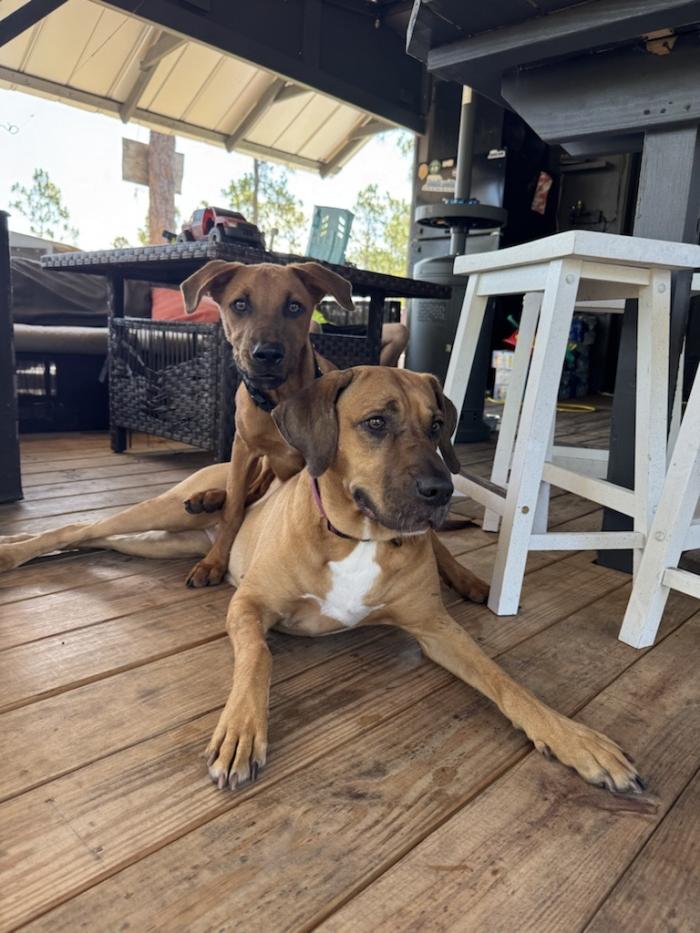
When Cash, a young mixed-breed dog, tagged along with his foster volunteer for her recreation league volleyball match, he wore an “Adopt Me” vest provided by his shelter, the Humane Society of St. Lucie County in Florida. A player on the opposing team couldn’t take her eyes off him. Because the shelter was trying out allowing foster caregivers to lead the adoption process (with support from the shelter team), Cash had a meet and greet right there on the sidelines, and by the next day he had been adopted.
This article was originally published in the November/December 2026 issue of Best Friends magazine. Want more good news? Become a member and get stories like this six times a year.
Let's make every shelter and every community no-kill
Our goal at Best Friends is to support all animal shelters in the U.S. in reaching no-kill. No-kill means saving every dog and cat in a shelter who can be saved, accounting for community safety and good quality of life for pets.
Shelter staff can’t do it alone. Saving animals in shelters is everyone’s responsibility, and it takes support and participation from the community. No-kill is possible when we work together thoughtfully, honestly, and collaboratively.
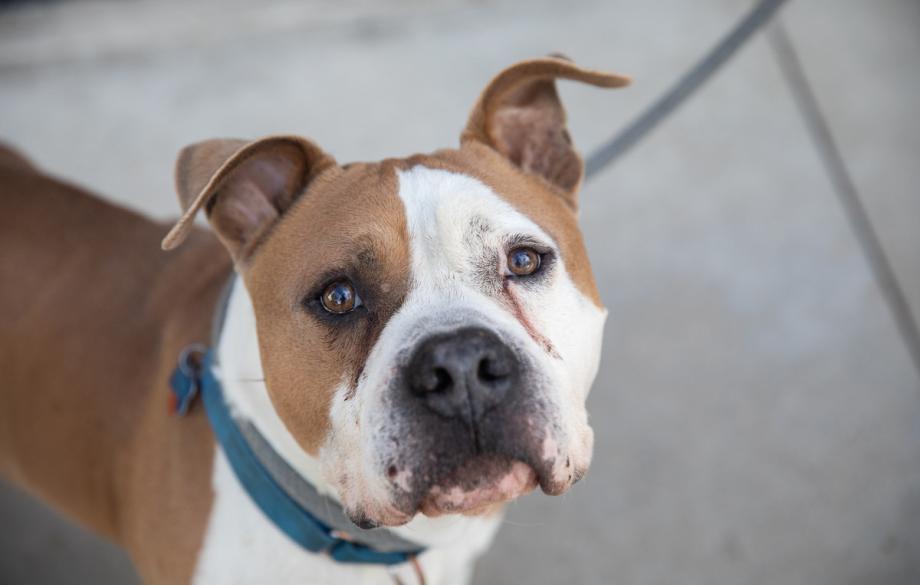

You can help save homeless pets
You can help end the killing in shelters and save the lives of homeless pets when you foster, adopt, and advocate for the dogs and cats who need it most.
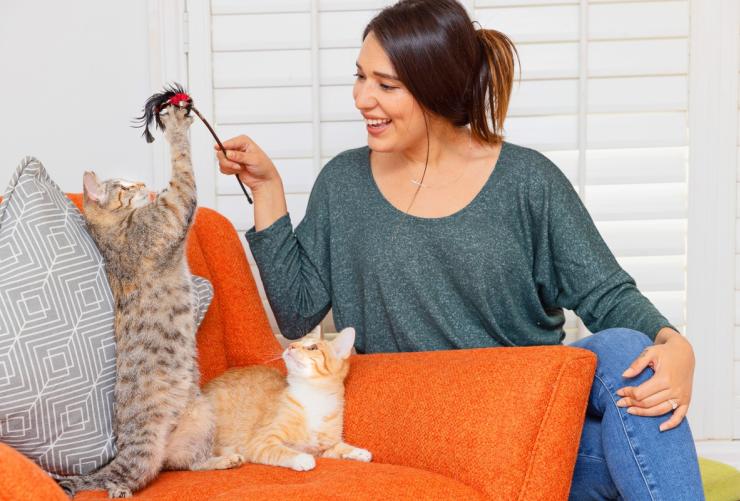
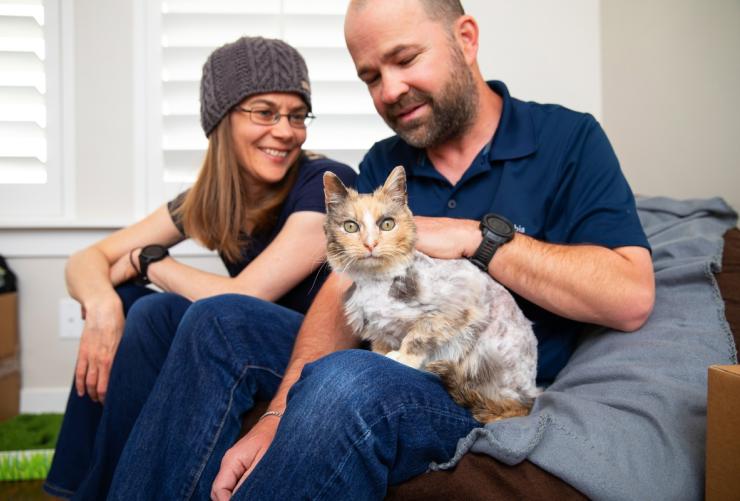
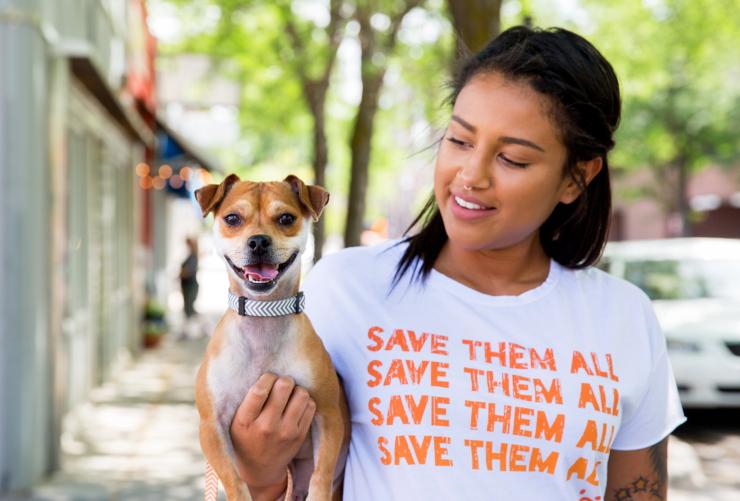
Saving lives around the country
Together, we're creating compassionate no-kill communities nationwide for pets and the people who care for them.
Get inspiring animal rescue stories delivered straight to your inbox
Never miss a feel-good animal story. When you give us your email, we’ll send you inspiring animal rescue stories each week, along with tips on different ways you can help save homeless pets in your community and beyond.