How a small but mighty Arizona shelter saves pets
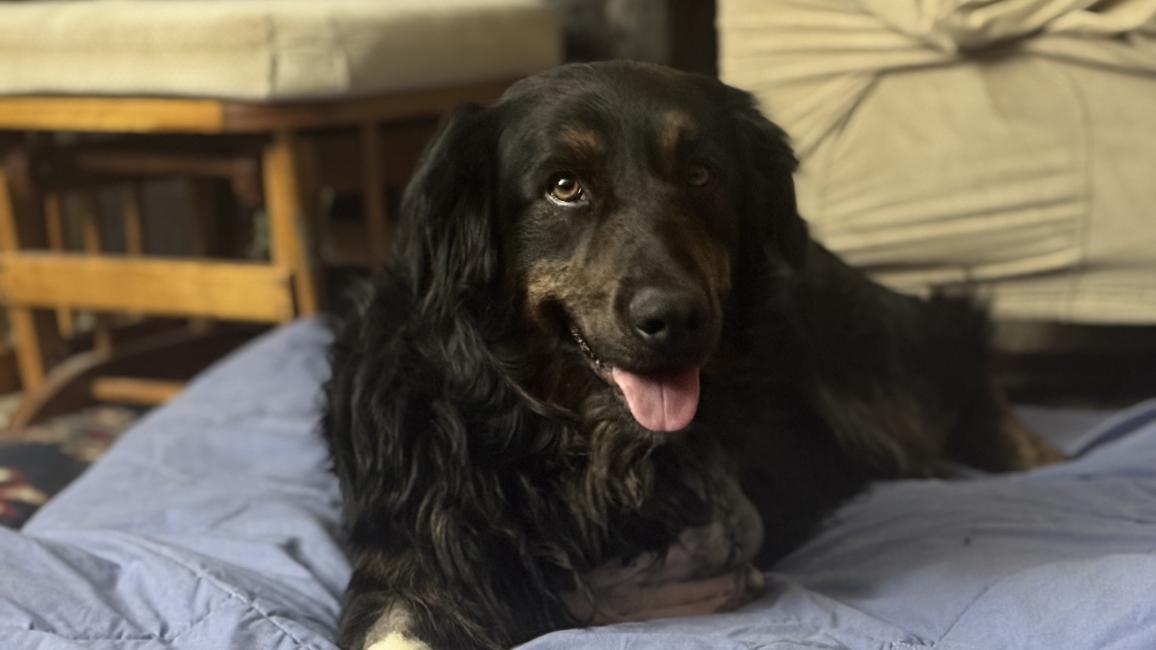
When a big, shaggy dog named Trooper bounds across his yard in Tucson, Arizona, his floofy legs hit the ground like a staccato drumbeat while the breeze pins his soft, velvety ears to his head. You’d never guess that not long ago, he could barely walk.
Trooper arrived at Santa Cruz County Animal Care & Control Services after a community member found him near a road with an injured leg and brought him in for help. He needed veterinary care that the small shelter didn’t have on-site — but thanks to a new collaboration, help was already on the way.

Small but mighty
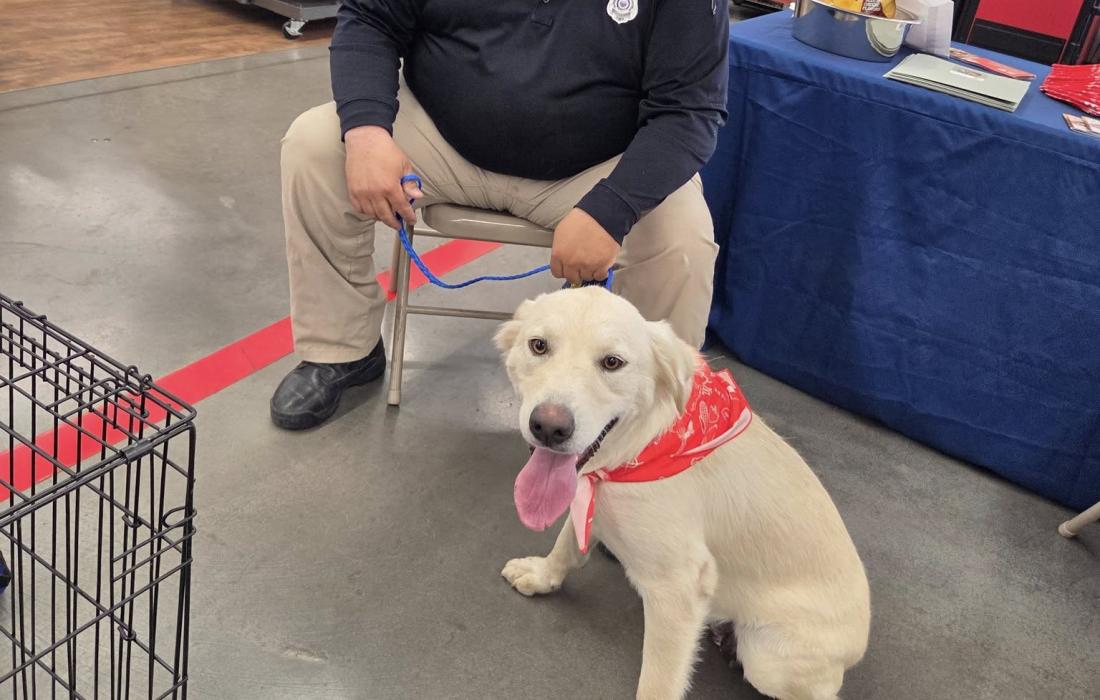
Santa Cruz is a small shelter nestled in the smallest county in Arizona. “We only have 20 kennels available,” says shelter manager Jose Peña. A dedicated team of animal services officers handles everything from daily care of the animals in the shelter to helping animals out in the community. Trooper was one of many pets coming through their doors, and staff wanted to better support them on their way to new families.
That’s one of the reasons they signed on to take part in Best Friends’ Prince and Paws Shelter Collaborative Program. Through this program, Best Friends connects no-kill shelters (mentors) with shelters working toward no-kill (fellows), providing funding, training, and hands-on resources to help them get there. This kind of collaboration is just one of the ways Best Friends is helping shelters nationwide reach no-kill.
“We asked Pinal County Animal Care & Control if they would be willing to mentor Santa Cruz,” says Best Friends staff member Jessica Gutmann. “They are a model of what municipal shelters can do, and they’re also very eager to help others, so that made them a perfect fit.”

A milestone moment
During the year-long collaboration, Santa Cruz met once a month with the Best Friends shelter collaborative team and Pinal County. Together, they reviewed numbers, tracked how funding was used, and discussed changes that could help Santa Cruz reach no-kill.
Little by little, those changes added up. Santa Cruz began shaping a foster program, thanks in part to staff visits to Pinal County to learn how theirs worked. They connected with the Petco Love vaccine program, which helped reduce costs at the shelter while allowing them to offer free vaccinations to community members’ pets. They also shifted to spaying or neutering animals before adoption — no small task in a rural area with limited veterinary access.
[Expanding veterinary care in Arkansas]
“We set Santa Cruz up with the closest high-volume spay/neuter provider about an hour away,” says Katrina Rodrigues, deputy director at Pinal County Animal Care & Control. “We secured weekly appointments, so they could get their adoptable pets fixed and bring them back ready for new families.”
They also teamed up with area rescue groups to provide free microchip clinics for community pets and hold off-site adoption events. And as those relationships grew, more organizations began regularly taking in animals when Santa Cruz needed help.
Together, these pieces helped the shelter’s save rate (the percentage of animals who leave a shelter alive or are still there waiting for an outcome) climb from 67% to more than 90% — the benchmark for no-kill — in just under a year.

A new way forward
“This collaboration made us into a no-kill shelter,” Jose says. “For many years, we didn’t have the programs or resources to help animals quickly move through our shelter. When this came about, we saw the light at the end of the tunnel. We saw it could be different for us.”
The change hasn’t just been inside the shelter walls. The way people in the community see the shelter has transformed, too.
[Shelters team up to send nearly 1,000 pets home]
“The way the public views us now is totally different,” Jose says. “We get more donations, more help, more everything from the public.”
For Jose, the two things he’s most proud of go hand in hand: “The no-kill aspect and the working together — with my staff, with other shelters, with rescues. Those two things together changed everything.”
And for one very floofy dog named Trooper, this collaboration arrived at exactly the right moment.

Trooper’s way home
When Trooper arrived with his injured front leg, Santa Cruz contacted Pinal County for support. “He had been hit by a car and had a bad fracture,” recalls Katrina.
Pinal County’s veterinary team determined the best path forward was to remove his injured leg. Trooper came through the surgery with flying colors and, in no time at all, went home with an adopter who had been following his story on Santa Cruz’s Facebook page.
“Posting their dogs on social media was huge,” says Katrina. “We encouraged them to share their stories and let the community know when pets needed help. Santa Cruz embraced that, and the public response has been great.”
Jose adds, “We give so much credit to Pinal County. They've helped us from the beginning and guided us. It's nice to feel that type of collaboration with other shelters in other counties. We are so grateful for them.”
And for Trooper? He’s living his best life — chasing toys, snuggling with his new family, and proving with every joyful, three-legged zoomie session that small shelters, with the right support, can do very big things.

Let's make every shelter and every community no-kill
Our goal at Best Friends is to support all animal shelters in the U.S. in reaching no-kill. No-kill means saving every dog and cat in a shelter who can be saved, accounting for community safety and good quality of life for pets.
Shelter staff can’t do it alone. Saving animals in shelters is everyone’s responsibility, and it takes support and participation from the community. No-kill is possible when we work together thoughtfully, honestly, and collaboratively.
You can help save homeless pets
You can help end the killing in shelters and save the lives of homeless pets when you foster, adopt, and advocate for the dogs and cats who need it most.


Saving lives around the country
Together, we're creating compassionate no-kill communities nationwide for pets and the people who care for them.
Let’s be friends!
Connect with us on social media to stay in the loop about the lifesaving progress we’re making together.


