Proving what’s possible for pets at a Maryland shelter
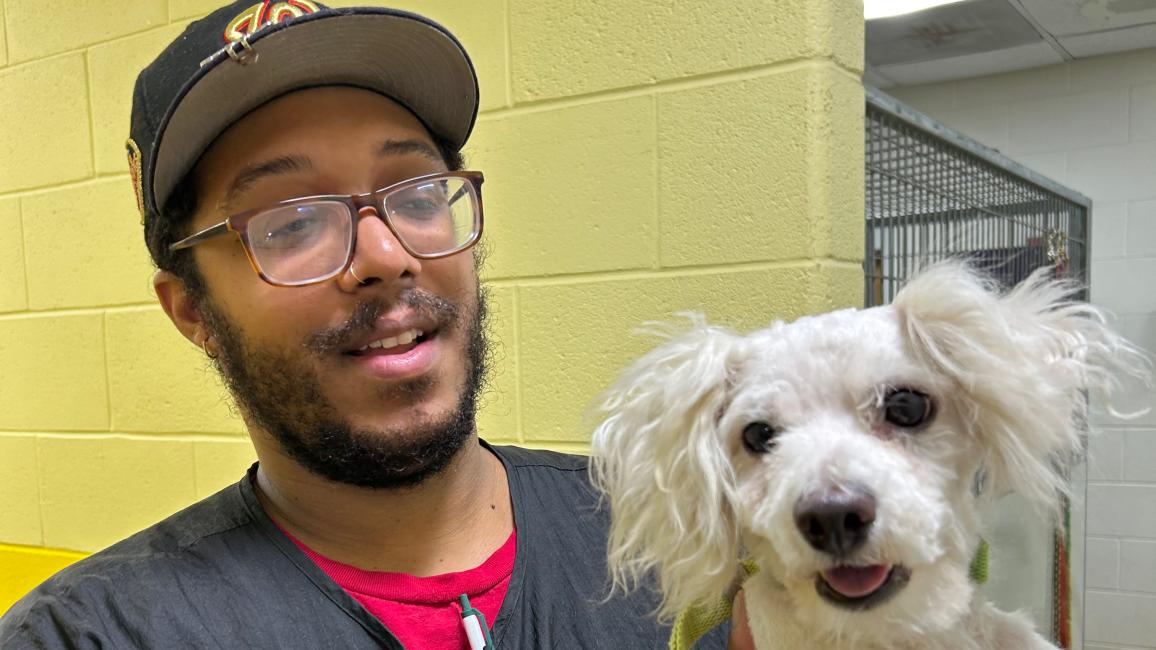
Not long ago, Prince George’s County Animal Services was struggling to save dogs and cats — not because the staff didn’t care but because lifesaving policies and programs were not in place. The staff was exhausted, the community was frustrated, and the shelter’s lifesaving remained far below what anyone wanted. The shelter was saving a little over half of the dogs and cats who came through its doors.
When a new leader arrived in late 2023, it marked a turning point. Everyone wanted better outcomes for the animals and for the people who cared for them, and the shelter team was ready for change.
Best Friends Animal Society supported the shelter’s transformation with guidance, data analysis, and encouragement. Providing this kind of one-on-one support is one of the ways Best Friends is helping shelters across the country reach no-kill.
What followed was not a miracle or a quick fix but a steady rebuilding that is still ongoing — a process grounded in teamwork, compassion, and renewed belief in what was possible.
Listening first, then leading
David Fisher is now the shelter’s chief and administrator. “This is the first job I’ve ever had that my kids were excited about,” he says with a grin. “My daughter even told me my job was ‘dope,’ which was a pretty great moment as a dad.”
David and his family had adopted their own dog from Prince George’s County years before. “He’s been a huge part of our family,” he adds. “So, in a way, this job feels like coming full circle, helping create the kind of shelter experience I’d want for anyone walking through our doors.”
The transformation started with listening. David’s first priority was to bring structure and support to shelter staff who had been carrying too much for too long.
[No-kill 101: The 3 pillars of saving pets in shelters]
“These folks have always cared deeply,” David says. “But they didn’t have a system that supported change. My job was to hear them, then work together to create practices that helped them and the animals thrive.”
With strong backing from county leaders, the shelter team began making changes. They put protocols in place to triage the needs of pets before admitting them to the shelter. They also improved cleaning and housing protocols, and they used better data tracking to guide decisions. Each change gave staff a little more hope and gave more pets a second chance at life.

Little things that change everything
The shift in culture is best seen through the animals themselves.
Luca the dog came in limp and unresponsive. “Instead of labeling Luca a lost cause, the staff took extra time,” David recalls. “They worked with a rescue partner and cared for him overnight, so he could make it to safety the next day.” The effort paid off. After emergency care and a few weeks of recovery, Luca not only survived but is now living his best life with a family who adores him.
Then there’s Gillie, a young dog full of energy who jumped on people and mouthed for attention, behaviors that can deter potential adopters. The shelter team was able to give him space and time to relax and help him channel his energy in other ways.
“When we’re stretched for space, those choices are hard,” David says. “But every life deserves that chance.” Before long, Gillie charmed a family and went home.
[W.Va. animal shelter goes from last stop to lifesaving]
And then there’s the quiet but transformative work happening behind the scenes like Trevor, the shelter’s full-time groomer. On any given day, Trevor may be trimming nails, assisting in medical care, or providing much-needed baths to animals. “He’s often a jack-of-all-trades,” David says. “But grooming is where his work makes an incredible difference.”
Many dogs arrive so matted that their coats have fused to their skin or cut off circulation to a limb. “Some come in barely able to walk,” David explains. “After hours of patient grooming, you can see the dog’s whole body relax. You can see who they really are again.”
Once the mats are gone and the discomfort relieved, the change isn’t just physical; it’s emotional. The animals stand taller, wag their tails, and engage more readily with staff and adopters. “Often we find that after grooming, their whole disposition improves,” David says. “It’s one of the most immediate and visible acts of compassion we provide.”
These are the small, daily miracles that tell the larger story of change. Now, pets are going to loving homes faster, lost pets are being reunited with their families, and shy animals are finding new confidence. The wins, big and small, have created a ripple effect of pride and belief.

A countywide commitment
None of this progress would be possible without the county’s investment in its shelter and staff. New funding for programs, facility upgrades, and training has helped create a safer, more hopeful place for both people and pets.
“It’s not just about animals,” David says. “It’s about creating a workplace where compassion can last and where staff don’t have to carry that kind of emotional burden anymore.”
Morale is lifting, collaboration has deepened, and the community is noticing.
The results
In less than two years of hard work, the shelter is now saving over 80% of the dogs and cats who come through its doors, with around 1,000 more animals saved each year through adoptions, lost-pet reunions, and transfers to rescue groups. But the most meaningful change is harder to measure: a culture of hope.
“When animals leave here alive, our team gets to see the results of their hard work,” David says. “That pride shows up in how they treat each other, feel about themselves, and every pet who comes through the door.”
He’s quick to credit the collective effort: “This progress belongs to our staff, county leaders, rescue partners, and our community. It’s not one person’s story. It’s everyone’s.”
Aurora Velazquez, Best Friends’ East region director, says David and his team have been incredible partners. “They embraced new ideas and led with empathy, focusing on both animals and staff. That’s how sustainable change takes root,” Aurora says.
David agrees: “Best Friends has been a great resource for data and perspective. It helps us show our community that progress is measurable and possible.”

Looking ahead
The team’s focus now is on sustaining progress and reaching higher, which includes expanding foster and community cat programs and strengthening the shelter’s relationship with the community.
“This isn’t just about numbers,” David says. “It’s about building a shelter system that reflects the compassion of this county and the people who live and work here. And we’re just getting started.”
Let's make every shelter and every community no-kill
Our goal at Best Friends is to support all animal shelters in the U.S. in reaching no-kill. No-kill means saving every dog and cat in a shelter who can be saved, accounting for community safety and good quality of life for pets.
Shelter staff can’t do it alone. Saving animals in shelters is everyone’s responsibility, and it takes support and participation from the community. No-kill is possible when we work together thoughtfully, honestly, and collaboratively.
You can help save homeless pets
You can help end the killing in shelters and save the lives of homeless pets when you foster, adopt, and advocate for the dogs and cats who need it most.


Saving lives around the country
Together, we're creating compassionate no-kill communities nationwide for pets and the people who care for them.
Let’s be friends!
Connect with us on social media to stay in the loop about the lifesaving progress we’re making together.


