W.Va. animal shelter goes from last stop to lifesaving
When 23-year-old Kassy Slack became director of Harrison County Animal Control in West Virginia in early 2024, she stepped into a role few her age — or experience level — would be expected to take on. At the time, the shelter’s save rate was less than 44%, meaning more than half of the dogs and cats entering its doors were losing their lives — not because they were sick or dangerous but because there weren’t the programs, policies, or resources in place to give them a chance.
It was a system stuck in an old cycle: Take in every animal, hold them until space or time ran out, and then make room for the next.
Tammy Jo Hallman, national shelter support senior specialist with Best Friends Animal Society, met Kassy early in her new role. “The game changer for Kassy and her team was getting them out of the shelter’s ‘euthanasia room’ and letting them use their skills and time toward lifesaving instead,” Tammy Jo says. “They came into this field because they love animals, but without the right programs and policies in place, they were stuck in a cycle of ending lives. Once they began implementing new programs and resources to help keep pets with their families, they were hooked — and they ran with it.”
Lifesaving changes
Kassy knew there was no time to waste. “Every week we waited meant animals were losing their lives who didn’t have to,” she says. “Once I saw there were proven programs out there that could work for us, we jumped in with both feet. The sooner we changed, the sooner we could start saving more lives — and that was the only goal that mattered.”
Over the next 18 months, Kassy and her six-person team — with the support of Harrison County leadership and the Best Friends regional team — began making changes.
Instead of automatically accepting every dog and cat brought to the shelter, staff began working with families to find other solutions. This included offering food or supplies to keep pets in their homes and helping families rehome their pets on their own. As a result, more shelter space would be available for pets needing extra time or care.
Also, rather than taking in healthy community cats (cats who live outdoors) — which often meant end of life — they launched a trap-neuter-vaccinate-return (TNVR) program to stabilize populations while keeping cats in the neighborhoods where they were thriving.
[Save rate skyrockets at a West Virginia animal shelter]
In addition, they strengthened or built new relationships with rescue groups and other shelters to move pets to places where they had a better chance at adoption. And when the city of Clarksburg, which isn’t far away, ended its own animal services program, Kassy’s team stepped up to provide consistent services across the county, raising standards for care and lifesaving.
The results have been dramatic. Fast-forward just a year and a half later, and Harrison County’s shelter is now saving nearly 90% of the pets who come through its doors. But the transformation isn’t just about numbers.
“It’s not just a place for stray or homeless pets anymore,” Kassy says. “It’s a place that helps people, too.”

Caring for Coda
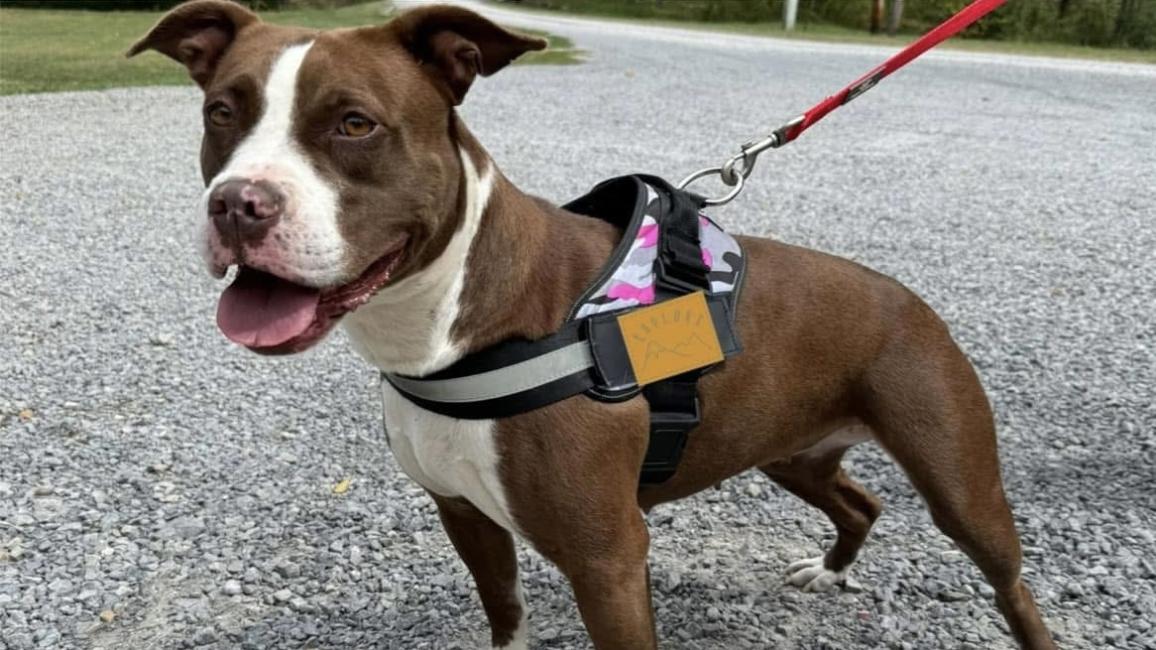
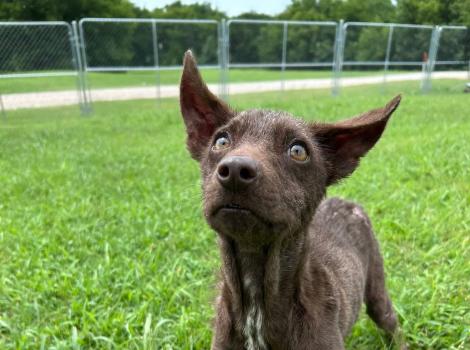
One of the best examples of this shift came in the form of Coda, a young pup found on the rural outskirts of Harrison County. She was kept tied outside without basic needs like shelter, food, or water being met. She was emaciated, depressed, and untrusting of people.
In the old days at Harrison County, an animal like Coda might not have had a chance. But this time, the team had the time and resources to help her.
Part of what helped Coda turn the corner was a program Kassy’s team had put in place to help dogs experiencing stress and fear. Each week, staff members select dogs to spend extra time with, building bonds that make their time in the shelter more comfortable. This might mean walking them during downtime, taking them to the creek or into the play yard, or arranging small playgroups. These moments outside their kennels also allow time to take photos and learn more about each dog’s personality to help them get adopted.
[A determined voice of change for homeless pets]
For Coda, being led on quiet walks was the key to building her confidence. The change was remarkable. Once she could let her guard down, she revealed a sweet, trusting personality.
Then, when a family came to the shelter looking to adopt, they fell in love with Coda immediately. Today, she’s thriving in her new home.
“Coda’s story really put it all into perspective and action,” Kassy says. “Animal control isn’t about end of life. These animals are often terrified and have no other way to communicate. Coda needed love and compassion. Love brought her back.”

A team effort
Kassy is quick to credit her staff for their ability to save pets like Coda — including veteran animal services officers who’ve been on the job for years.
“I’ve got senior officers who’ve been doing this longer than I’ve been out of high school, but they still let me toss new ideas their way,” she says. “Half the time, I expect them to roll their eyes — and maybe they do — but then they try it anyway. That’s why we’re getting things done.”
She laughs when she describes the give-and-take. “I’ll come in with what I think is a wild idea, and instead of shutting it down, my longtime staff just say, ‘Alright, let’s give it a shot.’ I know I’m the youngest one here, but they’ve never made me feel like I don’t belong. We figure it out together.”
That willingness to collaborate has been matched by the support of Harrison County’s leadership.
“What Kassy and her team have done for this community and its animals is nothing short of extraordinary,” says Laura Pysz-Laulis, Harrison County administrator. “Turning around a shelter once known for the highest euthanasia rate in the state and transforming it into a safe haven — that takes vision, courage, out-of-the-box thinking, and a heart bigger than words can express. This isn’t just a success story; it’s a story of compassion in action.”
In a profession often misunderstood as “dog catching,” Kassy and her team are showing what modern animal services can be: a blend of public safety, community engagement, and lifesaving solutions. Harrison County Animal Control is no longer a last stop for animals — it’s a springboard for second chances.
Let's make every shelter and every community no-kill
Our goal at Best Friends is to support all animal shelters in the U.S. in reaching no-kill. No-kill means saving every dog and cat in a shelter who can be saved, accounting for community safety and good quality of life for pets.
Shelter staff can’t do it alone. Saving animals in shelters is everyone’s responsibility, and it takes support and participation from the community. No-kill is possible when we work together thoughtfully, honestly, and collaboratively.

You can help save homeless pets
You can help end the killing in shelters and save the lives of homeless pets when you foster, adopt, and advocate for the dogs and cats who need it most.


Saving lives around the country
Together, we're creating compassionate no-kill communities nationwide for pets and the people who care for them.
Let’s be friends!
Connect with us on social media to stay in the loop about the lifesaving progress we’re making together.


