No-kill breakthrough for Pennsylvania animal shelter
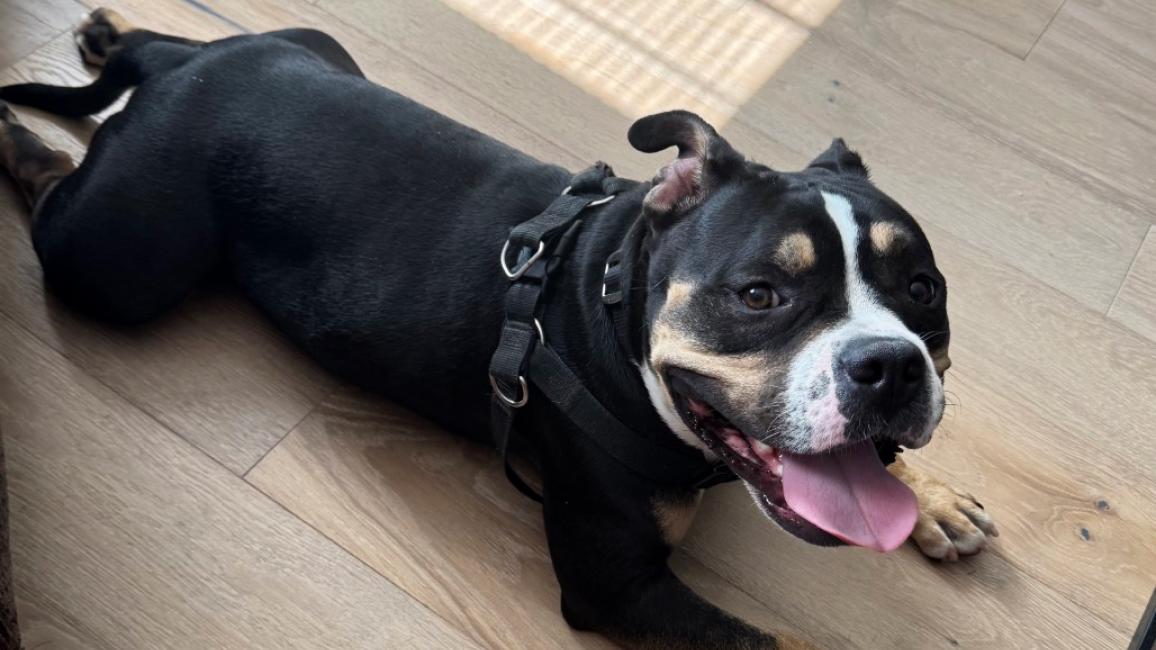
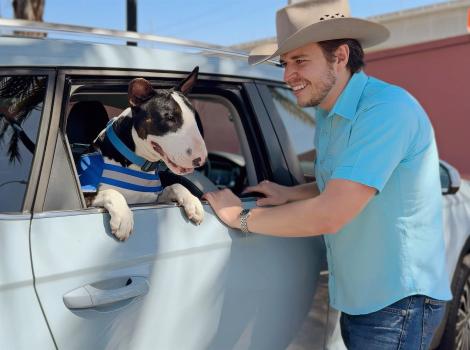
Mace touched down at Animal Rescue League of Berks County (ARL) in Pennsylvania like a furry little tornado. This pint-sized pup with a squishy little nose and blocky head couldn’t keep his paws on the ground. Every time someone walked past his kennel, he’d spin as if caught in his own little storm.
To help settle this whirlwind of a pup, shelter staff took him for walks three times a day. They gave him tasty entertainment like frozen treats and food puzzles. He also logged many hours in their “real-life room” that’s set up like a cozy living room in a home.
“He still just had a really hard time adjusting to shelter life,” notes Amara Cordero, ARL shelter director.
Looking for ways to help pets like Mace spend less time in the shelter and move into homes faster, ARL staff were eager to fine-tune how they worked. As a Best Friends Network Partner, they teamed up with Best Friends to help identify areas where they could make changes to better serve the pets in their care. Providing both remote and on-site support to shelter partners is one of the ways Best Friends is helping shelters nationwide reach no-kill.

A path to save more pets
The collaboration between ARL and Best Friends started with an assessment in January 2024 of the programs and practices at the shelter. Then, the ARL team created a plan and a timeline to systematically put the recommended changes from the assessment into action.
[Virginia shelters get a little help from their friends]
Best Friends provided support and training to strengthen and sustain those lifesaving improvements both remotely and on-site. This included hands-on support from the Best Friends national shelter embed program. The program places Best Friends staff inside shelters across the country to work side by side with shelter teams, refine systems, and build proven programs that help find more pets homes.

Small shifts, big impact
“One of the first things we launched was weekly meetings with staff from the whole organization,” says Best Friends staff member Jean Gibowski, who spent two months working alongside the staff at ARL. “We had marketing, behavior, animal care, adoptions, foster staff, and Amara (the shelter manager) all in the same room.”
Those meetings quickly became a hub of collaboration, where staff looked at each animal and mapped out the best way to help them move out of the shelter and into happy new homes.
“I would say Mace is our No. 1 success story from those early meetings,” Amara says. “Together we decided the best way to help him was to get him into a foster home.” In foster care, Mace would be able to relax and blossom, so potential adopters could see his true self.
Jean worked closely with the foster department, especially to help the large dogs in the shelter. “(In foster homes) we could get more information on them and help them get adopted faster,” she says.
As the embed continued, Jean helped the team strengthen several key programs, starting with regular playgroups for the dogs. These gave staff clearer insight into how the dogs behaved in social settings.
“That really made a difference in how quickly we could get them out and into homes,” Jean says.
The team also embraced simple but powerful “rebranding” techniques — posting more eye-catching pet photos, making their bios clearer and more engaging, and occasionally giving a pet a new name to help adopters see them with fresh eyes.

Lifesaving momentum
Little by little, these changes built momentum that carried the entire organization forward. “Our team is so excited and invigorated now,” Amara says. “Everyone embraced the tools Jean brought us. We’re doing everything we can to improve and reduce the amount of time animals spend at the shelter.”
And those changes are making a big difference. “In the few short months since we began the embed program, the length of stay for dogs in our care has dropped from 30 days to 23 days,” says Amara.
[Proving what’s possible for pets at a Maryland shelter]
Together, these shifts also helped ARL join the growing number of no-kill shelters nationwide.
“They’ve done a really, really fantastic job,” Jean says. “I can’t wait to see what they do in the future.”
And while these changes reshaped how the shelter supports animals overall, they also set the stage for one dog in particular — the whirling little tornado named Mace.
The experience that changed everything
In his foster home, Mace learned cues like “sit,” “down,” and “stay,” thanks to online dog training courses the shelter provided for his foster caregiver. The combination of consistent training and the slower pace of a home helped him finally relax. Mace blossomed, revealing the dog he was always meant to be. Even better: He found confidence through watching how the other dogs in the home responded to things.
“We realized he actually needed another dog to help him,” Amara says. “That made such a difference.”
With Mace thriving in foster care, interest from adopters started rolling in — including a family who had recently lost a dog with a similar personality to Mace. They held their meet and greet outside the shelter, knowing the shelter environment still overwhelmed him. The family brought their dog to help him feel more at ease.
“It was a match made in heaven,” says Amara. “They were so comfortable with him, and he was very comfortable with them.”
They took him home that day, and cheers rippled down the shelter hallways. “Our entire staff celebrated,” laughs Amara.
Today, Mace’s world looks nothing like the whirlwind of his arrival at the shelter. The spinning little storm cloud has finally settled. Now he spends his days romping with his new canine besties, snoozing on plush beds, and showering his family with his goofy charm.

Let's make every shelter and every community no-kill
Our goal at Best Friends is to support all animal shelters in the U.S. in reaching no-kill. No-kill means saving every dog and cat in a shelter who can be saved, accounting for community safety and good quality of life for pets.
Shelter staff can’t do it alone. Saving animals in shelters is everyone’s responsibility, and it takes support and participation from the community. No-kill is possible when we work together thoughtfully, honestly, and collaboratively.
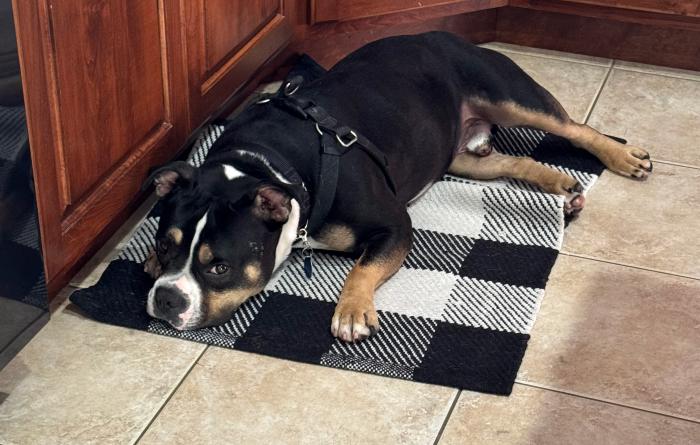

You can help save homeless pets
You can help end the killing in shelters and save the lives of homeless pets when you foster, adopt, and advocate for the dogs and cats who need it most.


Saving lives around the country
Together, we're creating compassionate no-kill communities nationwide for pets and the people who care for them.
Get inspiring animal rescue stories delivered straight to your inbox
Never miss a feel-good animal story. When you give us your email, we’ll send you inspiring animal rescue stories each week, along with tips on different ways you can help save homeless pets in your community and beyond.