Compassion and science save pets’ lives in Illinois
When Libby Aeschleman stepped into the director’s position at Tazewell County Animal Control in Illinois in late 2020, the shelter was only saving about half the dogs and cats who came there. Libby found herself leading an organization that was operating as it had for over a decade. Programs known to save more animals’ lives — such as making adoptions easy and welcoming and robust foster programs — were nonexistent. It wasn’t that the staff didn’t care about the animals; they needed a program overhaul that would better serve animals and the community.
Libby studied animal science in college and initially pursued a career in agricultural animal care. In her first professional roles, she used data in making decisions for the compassionate and ethical care of livestock. Libby brought that same powerful combination of heart and science to Tazewell County Animal Control. She knew intuitively and practically that data-driven decisions were going to be key in transforming Tazewell into a modern lifesaving organization.
“I love research. I love data. I love taking systems and making things better through information,” she says. “If I could break the work in Tazewell down to its simplest parts, we could rebuild it kinder and smarter. County leadership and my team loved animals and wanted what was best ultimately. I just needed to use the data to make the case and get us moving.”
From cows and hogs to cats and dogs
Libby hadn’t worked professionally with dogs and cats or in animal shelters before coming to Tazewell. Through her experience in agriculture, she learned about humane animal care and the importance of measurable change. That background gave her two tools Tazewell County Animal Control would need for lifesaving change: discipline and empathy.
When asked about the comparisons between agricultural animal care and companion animal sheltering, Libby shared that “at their core when done successfully, both are about humane and ethical care. Keep animals healthy, safe, and comfortable, and farmers are successful. Caring for shelter animals the same way and ensuring that they go home or find new homes made sense to me.”
Breaking down before building back up
Her first weeks on the job at the animal shelter were challenging ones to say the least. Pandemic stress, fear of change, and staff turnover could have derailed the process, but Libby knew that she’d have to break the system down to the basics for rebuilding. So she leaned into the challenges while looking for the opportunities. She reviewed every policy and protocol for how pets were entering the shelter, their care while at the shelter, cleaning and sanitation of the facilities, and most importantly how end-of-life decisions were being made.
She started by setting one ground rule that still guides the culture: “We don’t place blame here. We support each other, so we can support the community.” That meant open debriefs after hard days, listening and coaching instead of finger pointing, and a shared language for when staff felt they were at their capacity and feeling burnout. “Bandwidth,” as the team now says, isn’t just a tech term. It’s a survival strategy.
End-of-life decisions about dogs and cats would be made together. Veterinarians determined whether euthanasia was the kindest and most appropriate next step, and dogs with challenging behaviors now move through a defined process with a contracted trainer, consistent information gathering, and a team of supervisors. “No surprises,” Libby says. “No one should come in to work and find a dog or cat they’ve been working with is just gone.”
Libby introduced practical changes that make big differences, such as vaccinating pets when they come into the shelter and stronger cleaning protocols, which together keep pets safe in the shelter.

Prince and Paws Shelter Collaborative Program
In 2023, Tazewell joined the Prince and Paws Shelter Collaborative Program. This Best Friends program facilitates pairing no-kill shelters and shelters that aren’t no-kill yet to help them get there — all with Best Friends’ support. Tazewell was paired with the Animal Protective League of Springfield in Sangamon County, Illinois (APL) as a mentor. This program gave Libby and the team access to guidebooks for lifesaving programs, grant funds for starting them, and something less tactile but just as critical: a trusted adviser whom Libby could call when she ran into challenges and barriers.
“Mentorship has been everything,” she says. “When I experience resistance to new programs or protocols, I regroup, gather data, and come back with a better plan. Best Friends and APL helped me turn ideas into results.”
[The making of an animal shelter super mentor]
Among the early wins was the implementation of fee-waived adoption promotions (once a hard sell to local decision-makers) and vaccinating pets when they come into the shelter. And most transformative was launching a trap-neuter-vaccinate-return (TNVR) program for cats. These cats would no longer be killed simply because they lived outside. The emotional relief for staff was immediate. “Not having to end the life of every outdoor cat that came in changed the temperature of the whole building,” says Libby.
A green bean and a turning point
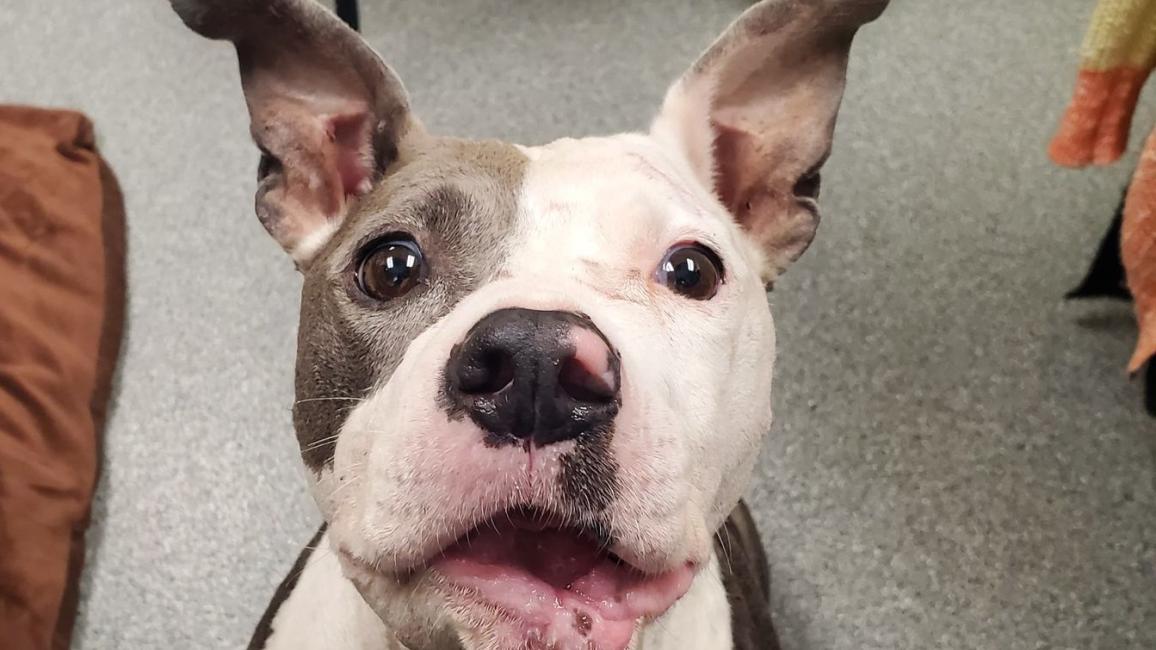
The shelter’s cultural shift became real with a dog named Bean. She was found in a bean field with serious injuries: cuts on her face and a broken jaw. No one knew what had happened. In the past, a dog in such dire shape might have been euthanized because they didn’t have the funding, time, and access to veterinary care to help her. But under Libby’s new protocol, the team didn’t hesitate. Bean was sent straight to the vet for intensive medical care, where she had surgery, medication, and weeks of rehabilitation.
No one stopped to debate whether she was “adoptable.” They treated her as an individual with a right to heal. Bean recovered beautifully, was adopted by a loving family, and is now thriving in her new home. Staff call her their “green bean,” a wild success story and a reminder of what happens when compassion drives the protocol. “She’s the proof,” Libby says, “that our choices matter and that investing in a dog’s future changes everything.”
Measurable change, humane outcomes for pets
Before Libby started making changes at the Tazewell shelter, many pets didn’t make it past the seven-day stray hold period. Today, the shelter’s save rate (the percentage of animals who leave a shelter alive or are still there waiting for an outcome) for dogs hovers around 90%, the benchmark for no-kill.
For Libby, this is the result of the lifesaving system she sought to create from the very beginning — working with families so they can keep their pets and rescue groups that can take in animals, which in turn opens up kennel space for urgent cases. Saving more cats remains a focus for the team. They’re continuing to vaccinate cats immediately when they enter the shelter, which prevents illness. They’re using rigorous cleaning protocols, along with the TNVR program for cats living in the community.
“We’ll never stop improving,” Libby says. “But the difference for staff is profound. Reducing unnecessary end of life changes the whole emotional climate. People want to come to work.”
[Helping small animal shelters has a big impact]
Getting lost pets back to their families is another bright spot. Tazewell's Facebook presence and local lost-pet groups help dogs and cats get back home quickly. When money is the barrier to returning a pet to their family, the team works with them on fees because home is better than a kennel.
Day to day, their approach has shifted from bringing pets into the shelter automatically to having a conversation first to find out how they can help. Staff slow down, ask people what’s really going on, and work to keep families together, when possible, with pet food support, short-term fostering, help with behavior challenges, and advice on how to rehome their pet if necessary. “When we’re slammed, it’s tempting to stop talking and just (admit the animal to the shelter),” Libby says. “But those conversations are the pressure valve. They keep animals out of the building and people on our side.”
The building that change built
The biggest symbol of Tazewell’s new era is rising from the ground in the shape of a modern facility designed for animals’ health and lifesaving. The project didn’t happen overnight. Libby spent hours touring board members through the old building’s realities of mold in vents, shared HVAC with kennel spaces, space constraints that made disease control nearly impossible, and housing that fell short of the Association of Shelter Veterinarians’ guidelines.
“I was the thorn that wouldn’t go away,” she says with a laugh. “We have to do better for animals, for staff, and for the people we serve.” After comparing the true costs of refurbishing an aging footprint versus building new, the county chose transformation over patchwork. Construction is underway, and the new layout will support cleaner air circulation, quieter recovery, smoother experiences for adopters, and a far better staff environment. All the little things add up to big lifesaving realities for the pets and the people of Tazewell County.
Leadership for the long run
Ask what motivates her, and Libby points to people: “I don’t want to manage a place where staff dread coming in. This work is emotionally heavy. Our job is to make it sustainable through better policies, teamwork, and small wins that add up to a big culture of empowerment.”
She’s learned not to mistake passion for progress. “Showing up emotional gives the impression I make emotional decisions, and that’s not my job,” she says. “So if I get told that something cannot be done, I take notes, understand how the decision-makers see it, rebuild the plan, and come back next month. Nothing is lost by trying again.”
What better looks like
In Tazewell County, that "better” has completely remade what animal services is and can continue to be. It has turned an antiquated approach into a forward-looking future where pets leave out the front door — one where science and compassion result in success.
Tazewell County’s shelter looks different today. The change is in the staff who walk into work with lifesaving purpose and in the families reunited with their pets. It is in the cats who return safely to their outdoor homes and the dogs who walk out the front door with new families instead of being carried out the back.
It is a system operating on compassion, science, and the resolve that the community’s pets deserve every chance in life. Their work proves that when a shelter commits to lifesaving and measurable change, lives change with it. The new chapter for Tazewell County is already being written every day, one animal and person at a time.
Let's make every shelter and every community no-kill
Our goal at Best Friends is to support all animal shelters in the U.S. in reaching no-kill. No-kill means saving every dog and cat in a shelter who can be saved, accounting for community safety and good quality of life for pets.
Shelter staff can’t do it alone. Saving animals in shelters is everyone’s responsibility, and it takes support and participation from the community. No-kill is possible when we work together thoughtfully, honestly, and collaboratively.

You can help save homeless pets
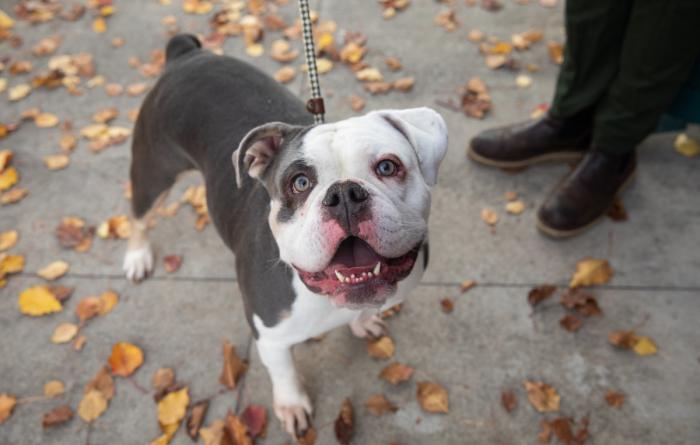
You can help end the killing in shelters and save the lives of homeless pets when you foster, adopt, and advocate for the dogs and cats who need it most.


Saving lives around the country
Together, we're creating compassionate no-kill communities nationwide for pets and the people who care for them.
Get inspiring animal rescue stories delivered straight to your inbox
Never miss a feel-good animal story. When you give us your email, we’ll send you inspiring animal rescue stories each week, along with tips on different ways you can help save homeless pets in your community and beyond.