New approach to saving cats at a tiny animal shelter
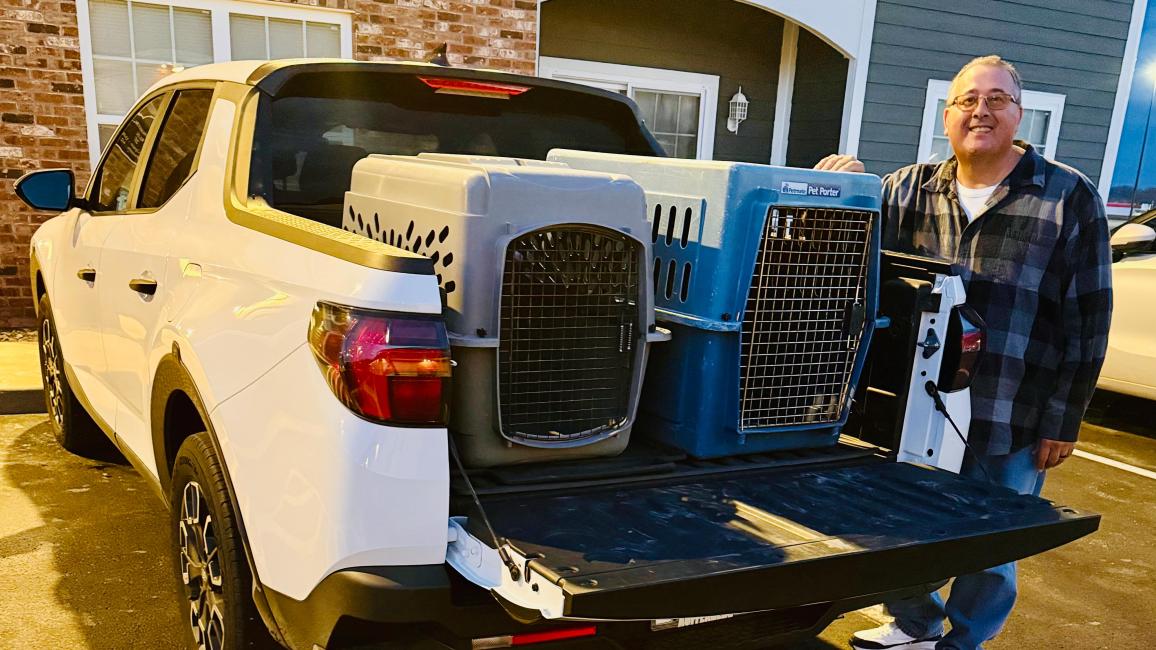
In rural Bond County, Illinois, help sometimes arrives before animals ever reach the shelter. When a resident asked for help with a growing group of cats living outside near their home — including three fuzzy kittens named Frankie, Goldie, and Myrrh — the call set off a chain of events that would save lives without a single cat or kitten needing to enter Bond County Animal Control.
Jim Hess, a devoted animal services officer, is the only full-time employee at Bond County Animal Control — a shelter small enough that its entire kennel setup could fit inside a small shed. He handles everything from caring for animals inside the shelter to responding to calls out in the community. But with limited resources, there is no adoption program, no foster network, and no trap-neuter-vaccinate-return (TNVR) program to fall back on.
So when animals came through the door, the choice was often a heartbreaking one. Today that moment looks different.

A network for a one-man shelter
Now, Jim picks up the phone and calls Belleville Area Humane Society or Bond County Humane Society — both Best Friends Network Partners — for help, especially with cats and kittens like Frankie, Goldie, and Myrrh.
“We had a lot more cats than dogs coming in,” Jim says. He knew something needed to change to be able to help all the cats who ended up at the shelter.
That's just one of the reasons Bond County Animal Control signed on to take part in Best Friends’ Prince and Paws Shelter Collaborative Program. Through this program, Best Friends connects no-kill shelters (mentors) with shelters working toward no-kill (fellows), providing funding, training, and hands-on support to help them get there. This kind of collaboration is one of the most important ways Best Friends is helping shelters nationwide reach no-kill.
The support from other organizations through the program helped Bond County Animal Control’s save rate (the percentage of animals who leave a shelter alive or are still there waiting for an outcome) climb from 66% to nearly 80% in just under a year.
“Just having a person Jim can text and say, ‘I have this coming in — what are your thoughts?’ has been really supportive,” says Best Friends staff member Ashley Thompson.

Stronger together
At Belleville, that person is Kaitlin Consolino, who helps manage the day-to-day relationship between the two shelters. She describes it as an open-door policy. “Even if our kennels are full at the time, he knows there’s a plan to help him,” Kaitlin says.
Belleville also helped strengthen a local collaboration with Bond County Humane Society. With support from a Rachael Ray Save Them All Grant from Best Friends, the humane society expanded its TNVR program — giving it the ability to respond when residents call about cats living outdoors.
The making of an animal shelter super mentor
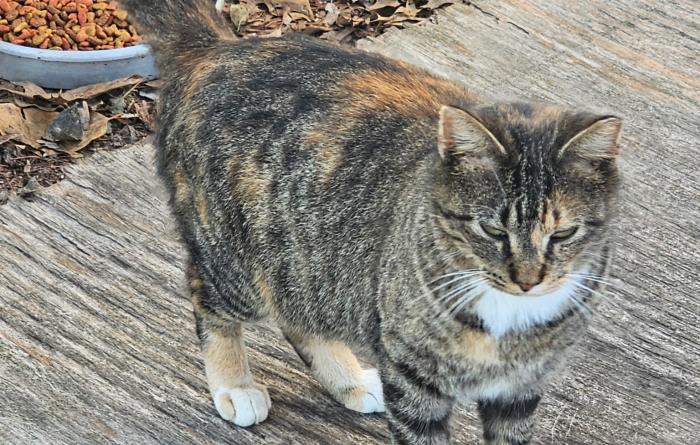
Instead of cats being brought to Jim at animal control, they can now be humanely trapped, spayed or neutered, vaccinated, and returned to their outdoor homes where they can live healthy lives without producing more kittens.
“The funding let us step in before it became an animal control issue,” says Rachel Hundsdorfer, who founded Bond County Humane Society with her husband and serves as its acting president.
Bond County Humane Society has also partnered with a mobile veterinary unit, further expanding access to spay and neuter services in the county.

Lifesaving logistics
Nowadays, when Jim gets calls from people about cats and kittens, he can share information with partners who can respond with a variety of solutions. “It’s multi-level,” Kaitlin says. “It’s not just one organization trying to do everything.”
Virginia shelter shines when it comes to saving cats
And in rural communities, where resources can be scarce and distances are long, that kind of teamwork matters. If Bond County Humane Society doesn’t have the capacity for cats from the TNVR program, Belleville can step in to help. But that means a 50-mile trip to Belleville for surgery, followed by another drive back so the cat can be safely returned to their outdoor home.
“We try to split it up, so it’s not too much on him or too much on us,” Kaitlin says. “If Jim brings the cats one way, I’ll bring them back the other way. Our nickname for him is James Bond, because he'll drive cats up to us on his days off. He goes the extra mile for these cats.”

Purr-fect partnerships
And Frankie, Goldie, and Myrrh? All the felines in their group — adults and kittens alike — were spayed or neutered and vaccinated. The adult cats were returned to their outdoor home while Frankie, Goldie, and Myrrh went into Bond County Humane Society’s adoption program. In no time at all, the fuzzballs landed in homes of their own and are now living their best kitten lives.
This collaboration goes beyond helping animals — it's helping the humans, too.
“Jim doesn’t have to do this work alone anymore,” says Ashley. “Now he has a support network. He's got not one but two partners in his own community who are supporting him, and I feel like we’ll see that impact for years to come.”

Let's make every shelter and every community no-kill
Our goal at Best Friends is to support all animal shelters in the U.S. in reaching no-kill. No-kill means saving every dog and cat in a shelter who can be saved, accounting for community safety and good quality of life for pets.
Shelter staff can’t do it alone. Saving animals in shelters is everyone’s responsibility, and it takes support and participation from the community. No-kill is possible when we work together thoughtfully, honestly, and collaboratively.
You can help save homeless pets
You can help end the killing in shelters and save the lives of homeless pets when you foster, adopt, and advocate for the dogs and cats who need it most.


Saving lives around the country
Together, we're creating compassionate no-kill communities nationwide for pets and the people who care for them.
Get inspiring animal rescue stories delivered straight to your inbox
Never miss a feel-good animal story. When you give us your email, we’ll send you inspiring animal rescue stories each week, along with tips on different ways you can help save homeless pets in your community and beyond.