Dog foster program helps Indiana shelter reach no-kill
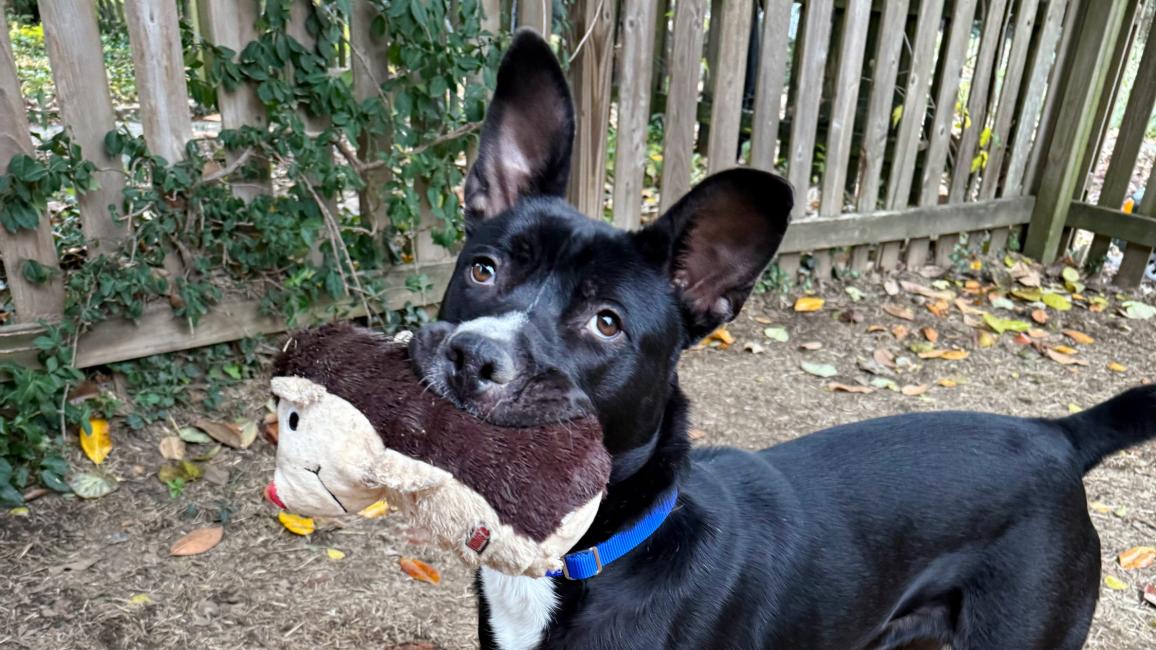
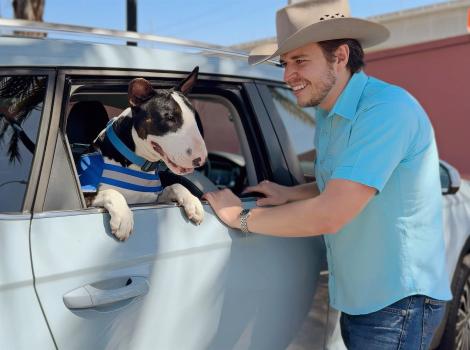
Today, a dapper black-and-white pup gleefully hops around the yard with his new family, laps up pup cups with sheer abandon, and snuggles in close every night on the couch. You’d never guess that not long ago, Cricket could barely walk. When the young puppy arrived at Jeffersonville Animal Shelter, a Best Friends Network Partner in Indiana, his legs were bowed, making it difficult to stand or move.
After a veterinary exam, the team learned Cricket’s bowed legs were likely due to spending much of his puppyhood in a crate with inconsistent access to food. “Within two weeks out of the crate and proper nutrition, you could already see improvement in his mobility,” shelter director Kristie Ashcraft says.
But the effects of his early life went beyond mobility issues. Cricket became protective of his food and snapped at people and dogs who came too close during meals. Fortunately, thanks in part to a grant from Best Friends Animal Society, the shelter had recently launched a new dog foster program to help dogs like Cricket grow, learn, and thrive. Best Friends’ goal is for all shelters nationwide to reach no-kill, and people who step up to foster pets, either with Best Friends or any animal shelter or rescue organization, play a vital part in reaching that goal.

Kisses and nuzzles
Tammy Jo Hallman, Best Friends national shelter support specialist, started working with the staff at Jeffersonville Animal Shelter in 2023 to help them reach a 90% save rate (the percentage of animals who leave a shelter alive or are still there waiting for an outcome), the benchmark for no-kill.
“Their save rate was hovering in the low 80s for years,” says Tammy Jo. She learned one of their main obstacles was getting big dogs out of the shelter, especially those larger pups experiencing stress and behavioral challenges in the shelter environment.
“A big piece of this was to help pilot their dog foster program,” explains Tammy Jo. “We wanted to give them the funding, supplies, and marketing tools to grow that program and shift the narrative in the community about fostering dogs.”
Pet foster homes increase adoptions and save more lives
Historically, people in the community tended to foster more cats than dogs. Bigger dogs in particular often came with assumptions that they’d be harder to manage, require more training, or need more space. Part of the shelter’s goal was to help people see fostering full-grown pooches as something impactful, rewarding, and doable.
They launched a marketing campaign on social media focused on how fun and easy fostering dogs can be. The grant from Best Friends helped Jeffersonville provide all the materials foster caregivers needed — “everything except the kisses and nuzzles,” as Tammy Jo puts it.

A community ready to help
The response from the community was immediate. “The goal was to get 30 dogs into foster homes in 90 days,” says Tammy Jo. “And Kristie and the Jeffersonville team placed 30 dogs in just 15 days. Kristie took it and ran with it. The program just grew tremendously.”
In the first three months of the program, the team placed 91 dogs in foster homes. Altogether, nearly twice as many pets entered foster care compared to the previous three months.
Busting myths about fostering dogs
“We have more dogs in foster homes than we ever have,” says Kristie. “We created more foster-to-adopt opportunities, which gave people more time to make sure a dog was the right fit. And now we have the resources to make sure they have everything they need, whether it’s supplies, veterinary care, or hiring trainers for behavioral issues. We’re really trying to support that foster base so that they want to keep fostering. We want them to feel like we’re rooting for them and rooting for these dogs who are in their care.”
All these efforts have saved more animals’ lives. In less than two years, the shelter’s save rate jumped from 84% to 91%. And for Cricket, those efforts meant a second chance to simply be a puppy — and eventually land in a home of his own.

A fresh start for Cricket
After spending time in a foster home and getting the one-on-one training, exercise, and TLC he needed, Cricket’s legs healed beautifully and he became less protective of his food. Before long, he was romping around like any happy puppy while growing into the dog he was always meant to be: bouncy, joyful, sweet, and loving.
It wasn’t long before Cricket was adopted into a family of his own. Nowadays, Cricket’s biggest challenge is deciding between zoomies, snacks, and cuddles on the couch — exactly the kind of conundrum every dog deserves. Thanks to the fresh start he got from the team at Jeffersonville, every day is the best day for Cricket.
Let's make every shelter and every community no-kill
Our goal at Best Friends is to support all animal shelters in the U.S. in reaching no-kill. No-kill means saving every dog and cat in a shelter who can be saved, accounting for community safety and good quality of life for pets.
Shelter staff can’t do it alone. Saving animals in shelters is everyone’s responsibility, and it takes support and participation from the community. No-kill is possible when we work together thoughtfully, honestly, and collaboratively.

You can help save homeless pets
You can help end the killing in shelters and save the lives of homeless pets when you foster, adopt, and advocate for the dogs and cats who need it most.


Saving lives around the country
Together, we're creating compassionate no-kill communities nationwide for pets and the people who care for them.
Get inspiring animal rescue stories delivered straight to your inbox
Never miss a feel-good animal story. When you give us your email, we’ll send you inspiring animal rescue stories each week, along with tips on different ways you can help save homeless pets in your community and beyond.