How a Missouri shelter is helping more dogs shine
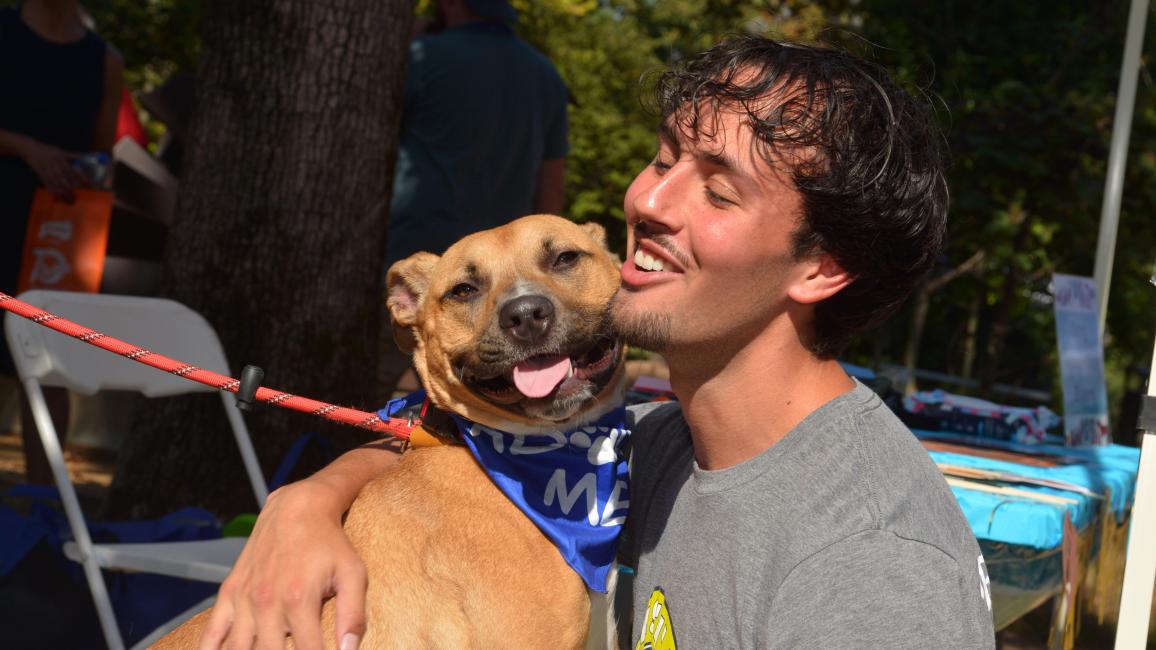
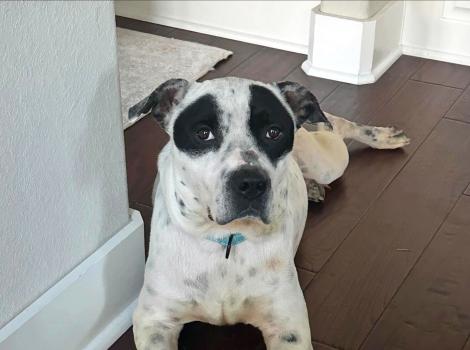
Cashew is young, energetic, and eager to connect, but sometimes his excitement would get the best of him. He arrived at Independence Animal Services (IAS) in Missouri with a whole lot of large-puppy enthusiasm — the kind that sometimes popped out as jumps, friendly nips, and bursts of energy that could feel overwhelming to people meeting him for the first time.
The boisterous young dog is one of many who came to the shelter, and staff wanted to better help them into new homes. That’s one of the reasons they signed on to take part in the Best Friends national shelter embed program. Not only did the program help them save more dogs’ lives, but it also led to an epic adoption event and a new home for Cashew.
Made possible in part by a grant from Maddie’s Fund®, the program places Best Friends staff in animal shelters across the country to help them save animals’ lives. It’s shoulder-to-shoulder work that involves refining systems and building tried-and-true programs to find more animals homes. Hands-on support like this is one of the ways Best Friends is helping shelters nationwide reach no-kill.

Helping pups shine
That’s how Best Friends embed project manager Kelsey Maccombs came to spend several months at IAS.
“Together, we’ve been looking closely at how every action we take shapes a pet’s path,” says Kelsey. “From the moment they arrive, how are we setting them up for success?”
That means tracking animals’ progress in a database, ensuring timely veterinary and behavioral care, making individual plans to help shy or fearful dogs, and expanding playgroups to give more dogs exercise and socialization. Larger playgroups help caregivers quickly see how each pup handles social time — whether they’re nervous or confident, playful or reserved, or happiest with another dog by their side. And Cashew, with his warm nut-brown coat and boundless energy, thrived in that setting.
“Playgroups were huge for him,” says Heather Cole, the shelter’s animal care and behavior specialist. “He was great with other dogs — we could drop him into big groups or small ones with no issues. He loved the rough, rowdy wrestlers, and getting that energy out kept his jumpy behaviors from boiling over.”
[Playgroups at Arkansas shelter let a shy dog shine]
Those small shifts helped more dogs catch adopters’ eyes and move out of the shelter and into happy new lives. In just a few months since the start of the embed, the number of dogs in the shelter dropped from 120 to 55, according to Heather, giving staff more time and space to focus on each pet.
“This summer we had about 120 dogs, only three staff members, and no vet clinic,” Heather says. “When you’re that full, you're just trying to keep up. Kelsey helped us put urgency and structure back into our days. She showed us the importance of getting notes into our database about each animal right when they come in, so we’re all communicating better about what’s best for each animal and getting them out of the shelter faster. Now we have the time and systems in place to work with the dogs who have been here the longest before their behavior starts to decline.”
And then came a new idea the team was excited to try: their first-ever off-site adoption event — exactly the kind of opportunity a pup like Cashew needed to get out in front of more potential adopters and show off his best self.

Road trip to success
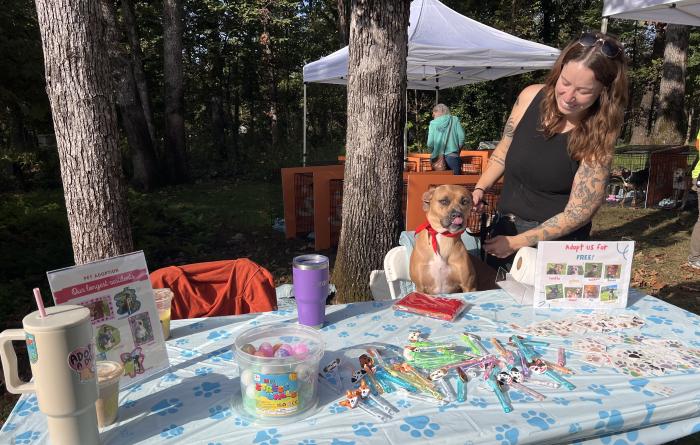
The team loaded Cashew and 14 other dogs into a van and drove three and a half hours to the Best Friends Super Adoption event in Northwest Arkansas. With their festival-like atmosphere, super adoptions bring together shelters and rescue groups from around the region to showcase their adoptable pets in one place. “This event was definitely going to be his best opportunity to be seen in a new way,” Kelsey says.
Day 1 of the weekend event brought a flurry of joy with 11 adoptions for IAS in just a few hours. But it wasn’t Cashew’s moment — yet. Then day 2 arrived. A family approached, and the dad made a beeline over to Cashew. He talked with the shelter team, asked a few questions, stepped away to look at other dogs, and returned within minutes.
[Super adoption success: More than 200 pets head home]
“The dad had tears in his eyes and said, ‘I need this dog. This is my dog,’” says Kelsey. “He was just taken by this dog in a way that pulls at your heartstrings.”
Heather adds, “For us, it felt like the wait was worth it. Seeing someone so patient and gentle with him was the moment we had all hoped for.”
Today, Cashew is settled into a home where he trails his person from room to room like a furry shadow and soaks up all the attention every dog deserves. And in turn, he’s filled the house (and one dad’s heart) with the kind of love only a best friend could bring.

Let's make every shelter and every community no-kill
Our goal at Best Friends is to support all animal shelters in the U.S. in reaching no-kill. No-kill means saving every dog and cat in a shelter who can be saved, accounting for community safety and good quality of life for pets.
Shelter staff can’t do it alone. Saving animals in shelters is everyone’s responsibility, and it takes support and participation from the community. No-kill is possible when we work together thoughtfully, honestly, and collaboratively.
You can help save homeless pets
You can help end the killing in shelters and save the lives of homeless pets when you foster, adopt, and advocate for the dogs and cats who need it most.


Saving lives around the country
Together, we're creating compassionate no-kill communities nationwide for pets and the people who care for them.
Let’s be friends!
Connect with us on social media to stay in the loop about the lifesaving progress we’re making together.


