West Virginia animal shelter a lifesaving powerhouse
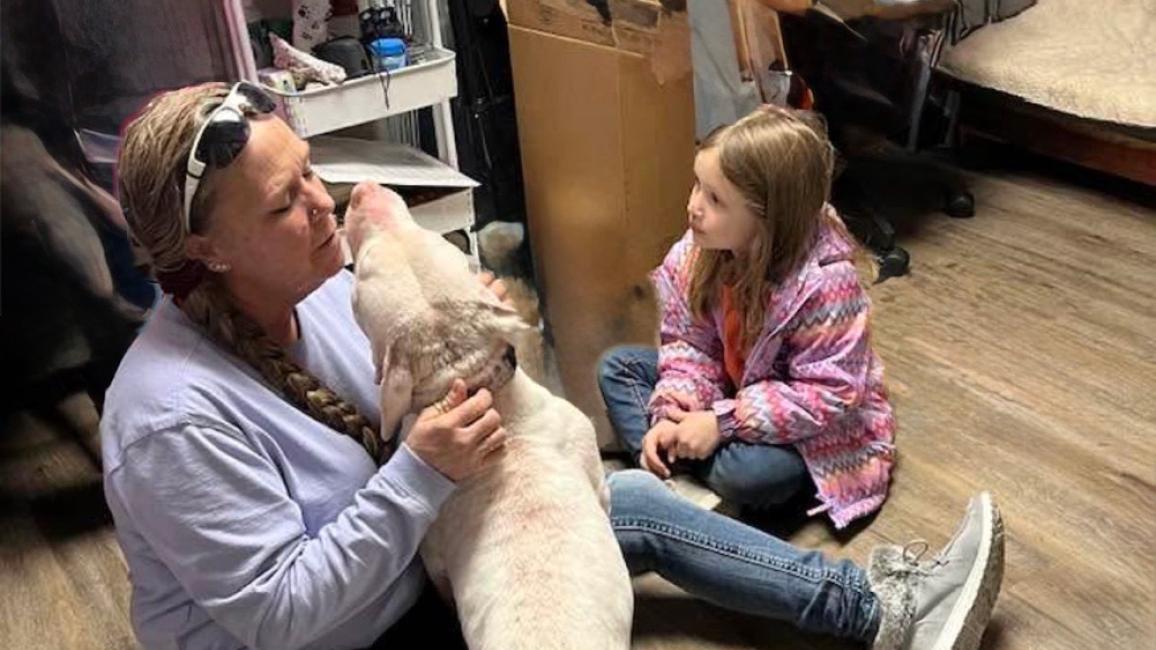
With about 27,000 residents spread across hundreds of square miles, Mineral County, West Virginia, relies on a small animal shelter with just 12 kennels and a staff who can be counted on one hand. There is no front desk, no kennel attendants, no animal care team.
There is, however, a strong commitment to saving animals’ lives.
Mineral County Animal Control a Best Friends Network Partner, had a save rate (the percentage of animals who leave a shelter alive or are still there waiting for an outcome) of almost 95% in 2025. A major reason for that is a powerhouse named Melissa “Missy” Kidwell.

A new outlook on lifesaving
Missy runs the shelter as a humane officer for Mineral County. When she arrived in 2006, the shelter was taking in about 500 to 600 animals a year. Roughly 75% of them were being killed for lack of space. “That’s just how it was back then,” she says.
But Missy didn’t accept the status quo. She began spending more time trying to reunite pets with their families or finding other safe placement for them. She pushed back against killing pets for lack of space. She reorganized the daily work of the shelter around one central commitment: healthy and treatable animals would not be killed for convenience.
For most of her career, Missy operated the shelter entirely on her own — no partner humane officer, no admin support, and no technical assistance.
Until recently, the shelter didn’t even have internet access. Missy jokes about not being tech savvy, but the truth is she kept everything moving through grit, a great memory, and relentless determination. She relied on bulletin boards, phone trees, word of mouth, and the relationships she built with local rescue groups.
And her methods are legendary.

Keeping pets out of the shelter
Having just 12 kennels creates focus and motivation. That’s why Missy encourages the community to make surrendering a pet to the shelter a last resort. Every decision about shelter admissions is measured against one question: Will this help or harm the animal’s chance of survival? If the answer is harm, she finds another path.
She encourages people to call friends, relatives, and neighbors to rehome pets on their own. She asks people what they need to keep their pets: food, a doghouse, veterinary care, a plan for improvement. “I would much rather educate someone than punish them,” she says. Her goal is to keep pets with their people whenever it is safe and possible.
Save rate skyrockets at a West Virginia animal shelter
Missy’s knowledge of her community also allows her to keep pets from entering the shelter. When a pet goes missing, she knows who to call. Where admitting a stray pet to the shelter was once the default response, Missy looks for the family first. She knocks on doors. She asks around. She keeps mental notes on who has what pet and where that pet tends to wander.
When she needs to find placement for a pet fast, she activates her animal welfare network. Mineral County Humane Society, a foster-based rescue group in the community, takes in many of the shelter’s dogs to find them homes. Friends of Felines and Ferals takes in cats, spays or neuters and vaccinates them, and then either works to find adoptive homes for them or returns them to their outdoor homes. Before the collaboration with Friends of Felines and Ferals, cats who wound up at the shelter had almost no options.

When Best Friends knocked
During visits to shelters in the area, Tammy Jo Hallman, Best Friends national shelter support senior specialist, made a point of stopping by to meet Missy.
“We had not been in communication with Mineral County leadership, and I happened to be nearby working with another shelter,” Tammy Jo explains. “So I decided to stop in and introduce myself. I wanted her to know that Best Friends was here simply to offer support in any way we could.”
Tammy Jo arrived with an armful of dog and cat supplies and was greeted warmly by Missy and the county administrator. They had never heard of Best Friends before, and when Tammy Jo explained that she was there to offer help and a partnership, Missy’s enthusiasm grew.
“She was immediately open and eager to collaborate,” Tammy Jo says. “Missy was very candid about challenges. She knew her community extremely well, but she didn’t have many resources or guidance for building programs to help cats. That was the last frontier for her.”

A plan for the community’s cats
A couple of weeks later, the two met again virtually to discuss how to help cats living outdoors in the community.
“I shared that community cat programs don’t have to be overwhelming,” Tammy Jo says. “They can be implemented à la carte. Starting small is often the best way to build confidence and buy-in.”
A successful community cat program keeps cats who are already living outdoors healthier, stabilizes their numbers, reduces neighbor complaints, and most importantly keeps cats out of the shelter and alive.
Best Friends sent humane cat deterrents to Mineral County to give residents simple, effective tools to address concerns without harming cats. The resources quickly became popular. “They became a hot commodity,” Tammy Jo says, laughing.
W.Va. animal shelter goes from last stop to lifesaving
They included sprays and granular repellents for areas where cats tend to dig or linger. Because cats have highly sensitive noses, repellents with scents like citrus, eucalyptus, and lavender naturally discourage them. Residents could also use motion-activated devices that spray water or flash lights to help startle cats away safely, as well as mats made with soft, rounded (harmless) spikes placed in garden beds to prevent digging and lounging.
Best Friends also provided a $2,500 grant, supplies, and ongoing support. “They took me under their wing,” Missy says. “I’m open to learning anything that helps me do better each day.”
Best Friends’ goal is for all shelters nationwide to reach no-kill, and support like this is just one of the ways we’re working together with shelters toward that goal.
“Missy is an innovative and proactive officer, and it shows in both the shelter’s lifesaving and the deep respect she has earned from the people of Mineral County,” Tammy Jo says. “She had been doing this work long before anyone asked her to. She believed it was the right thing to do before a name was put to it.”

A warm place to land for Snow
For Missy, it’s all about doing right by each animal who needs help. Take Snow, a blocky-headed white dog who arrived at the shelter terrified after being found in a snowstorm.
Missy brought a chair into Snow’s kennel and a plate of biscuits. “You go through their belly,” she wisely explains.
She took a bite, then offered Snow a bite. Slowly, Snow thawed.
A rescue group took in Snow to find her a home, and Missy visited her about a month later. Snow happily wagged her tail.
“Snow just needed someone to love her,” Missy says. “That’s what it’s all about.”

Let's make every shelter and every community no-kill
Our goal at Best Friends is to support all animal shelters in the U.S. in reaching no-kill. No-kill means saving every dog and cat in a shelter who can be saved, accounting for community safety and good quality of life for pets.
Shelter staff can’t do it alone. Saving animals in shelters is everyone’s responsibility, and it takes support and participation from the community. No-kill is possible when we work together thoughtfully, honestly, and collaboratively.
You can help save homeless pets
You can help end the killing in shelters and save the lives of homeless pets when you foster, adopt, and advocate for the dogs and cats who need it most.


Saving lives around the country
Together, we're creating compassionate no-kill communities nationwide for pets and the people who care for them.
Get inspiring animal rescue stories delivered straight to your inbox
Never miss a feel-good animal story. When you give us your email, we’ll send you inspiring animal rescue stories each week, along with tips on different ways you can help save homeless pets in your community and beyond.