How each ‘next right thing’ adds up to save pets
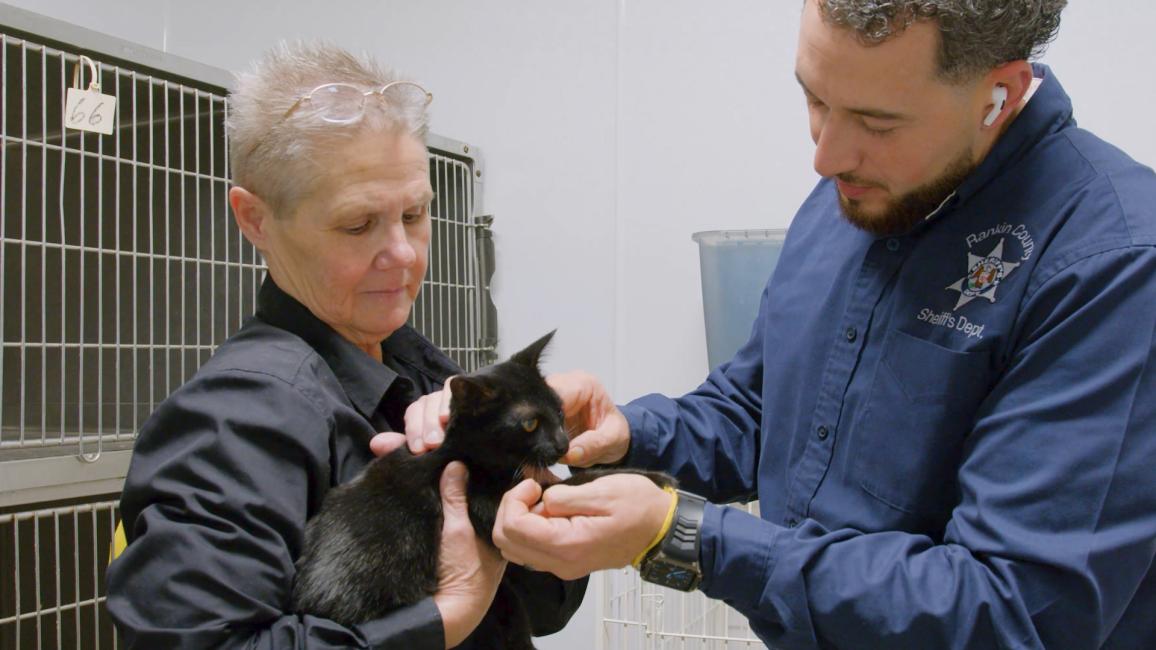
There’s an animal shelter down the road behind a wastewater treatment plant in Rankin County, Mississippi, in the middle of the state in what some would call the middle of nowhere. Historically, around 1,500 animals came into the shelter each year, with one staff person and three part-time helpers running it. Only 1 in 10 animals who entered the shelter made it out alive. These days, the shelter’s save rate (the percentage of animals who leave a shelter alive or are still there waiting for an outcome) is well over 90% and as high as 97% some months. Their work is an example of what’s possible when shelters are willing to embrace all the options other than killing the pets they take in.

Absolutely standout people like the team in Rankin County, Mississippi, are no longer outliers who have achieved no-kill at their shelter. Today, more than 2 out of 3 shelters in America are no-kill because enough people have committed to changing the status quo of animal sheltering. They don’t want to kill pets, and the people in their communities don’t want pets to be killed. Embracing this truth is the first step, and then the real work begins.
Across the country, people who run animal shelters and rescue organizations are changing how they operate and how they mesh with the communities they serve. The more we all work together, the more quickly shelters can stop killing healthy pets or those with treatable illnesses just because they don’t have homes. When it comes to caring for animals, there is no “them” and “us.” There is only “us.”
Best Friends Chief Program Officer Marc Peralta says, “There’s nothing we can’t do when the call to care for our animal friends is shared equally; when shelter staff, animal services officers, and the public all work together; when the lines are erased between municipal and private organizations, rural and urban.”
We’re all in this together to care for the animals. The people working in Rankin County are the same as you, our readers. So, together, let’s look at a few shelters that have pushed past the old way of doing things, inviting people in to do the work, and because of it are saving lives at the no-kill level.

Do the next right thing
Debra Murphy, director of Rankin County Animal Shelter, says, “When I first started, I didn’t know (much) about running a shelter. I got half a day’s training and was kind of thrown into it.” It was just Debra and three people who were incarcerated at the county detention center who ran the shelter and handled the animals coming in. She had been reluctant to take the job at all when it was offered to her. But then, she says, “I started falling in love with these animals.”
The situation at the shelter back then was pretty dire, but when help was offered, Debra said yes. A Best Friends staff person came to see the shelter and soon was offering assistance with how to vaccinate the animals, how to take care of them while they’re in the shelter, how to place more of them in homes. Then they went to the next level, getting software to help keep track of animals, setting up processes for microchipping pets, and getting them spayed or neutered. Debra’s mindset, she says, was “Do the next right thing.”
Mississippi animal shelter celebrates 10 years of no-kill
The next right thing was to ask for help from the community. In the past, there had been reluctance to allow people to be involved with the shelter, but once they were willing to try it, an outpouring of support happened. More Best Friends staff worked with the shelter. The Board of Supervisors approved a larger budget, hiring more staff. They built a foster program and a social media following. Now, they post every day on social media, allowing them to reach their animal-loving neighbors to promote pets for adoption, list found pets, and tell people what the shelter needs.
That’s how the shelter went from saving only 1 in 10 pets to a save rate well above 90%. It wasn’t one change that made it possible for Rankin County to reach no-kill; it was doing the next right thing over and over. It turns out that if you do the next right thing enough times, eventually you can change everything.

Out of the darkness
“Back in 2023, the save rate here was 32%,” says Kassy Selman, director of Harrison County Animal Control in West Virginia. It was a dark time for the animals and for people who worked in the shelter. “Most of the animals didn’t get out of here,” Kassy says.
Three years ago, Kassy was new on the job and willing to make changes. With her, there was an opportunity to start fresh and save pets who, in the past, would have been killed because no plan was in place to help them. Kassy and the small team at the shelter worked tirelessly to change what needed to be changed so they could save animals’ lives.
Kassy knew the area was full of people who would help if asked. “People in Harrison County love their pets and would do anything for them,” she says. “We couldn’t be afraid to ask because there’s always the possibility of a ‘yes.’” A substantial part of their ability to save more pets was reaching out to rescue groups they had never worked with before. They began supporting people in finding new homes for pets they couldn’t keep. They gave out pet food and supplies. They launched a trap-neuter-vaccinate- return program for cats as an alternative to admitting those cats to the shelter.
Now the Harrison County shelter is a shining light in the community. The save rate for dogs and cats in 2025 was above 90%. The shelter’s data reflects all the lives saved, which means the changes they made were working. “My team has poured so much into this, and our save rate just keeps rising,” Kassy says. Their hard work has paid off for the people and the animals. The shelter is no longer a dark place.

Committed to doing better
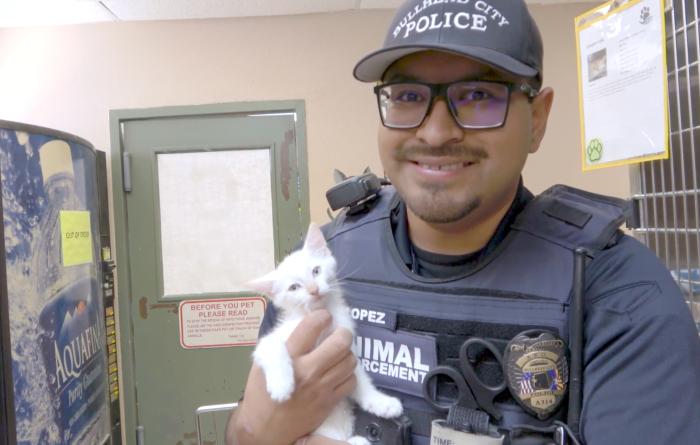
Not long ago, the Bullhead City shelter in Arizona was only saving 50% of the dogs and cats in their care. Shelter manager Alyson Harms says, “I was the person making those big red X’s on every kennel.” When you’re already making heartbreaking decisions every day, it can feel impossible to solve such a big problem, and the last thing most people do is choose more hard work. But when that hard work involves making changes to stop killing pets who could be saved, it’s worth it.
Alyson committed to the deep work of changing the system, accepting Best Friends staff’s offer of guidance and support. Our staff worked with her and her team to overhaul the shelter’s policies and procedures with the goal of saving the lives of more animals.
From dread to joy: One animal shelter’s no-kill journey
“Taking that first step to say ‘We can do better’ was terrifying,” Alyson says. “I remember crying in the bathroom, holding sick 4-week-old kittens, feeling the overwhelming weight of every life in our care.” The shelter hadn’t collaborated much with rescue groups before, but that day Alyson reached out to a group and asked whether they could take the kittens. “When they said yes,” she says, “we realized we weren’t alone in this mission.”
The shelter converted to a no-kill model, updating everything from cleaning protocols to customer service. It’s an entirely different place than it was back in 2022, when the city leadership and shelter staff decided to start making changes. Their save rate soared within the first year, and they are now proudly no-kill, saving well over 90% of the animals who come in. It has changed daily life in the shelter. “The challenges are still real and constant, but now we face them with hope, pride, and purpose instead of heartbreak,” Alyson says. “We are no longer feeling defeated.”

Collective caring for animals
Shelter leaders everywhere are committing to a no-kill philosophy that involves having a plan for every healthy pet and those with treatable illnesses. “No-kill is about so much more than numbers,” Marc says. “When shelters embrace the philosophy that their role is to act as a community-supported resource for pets and people, and they take away the option of killing pets, their save rate will reflect it.”
How each shelter gets there depends on the needs and resources unique to their community. “While each individual situation has its own nuances, there are core principles that shelters from coast to coast have put in place, and that’s how they’ve reached no-kill,” Marc says. “It’s not a rigid checklist, and there is infinite flexibility.” That’s the beautiful truth. Reaching no-kill isn’t about a single program or a single moment. It’s a collective commitment to doing all we can for the animals who depend on us, a commitment to continue doing the next right thing.
Building a no-kill community depends on strong local support, so animal shelters and rescue groups rely on people like you to help save pets’ lives. Even small efforts add up to incredible power. Connect with a shelter or rescue group near you to find out how you can support their work.

This article was originally published in the July/August 2026 issue of Best Friends magazine. Want more good news? Become a member and get stories like this six times a year.
Let's make every shelter and every community no-kill
Our goal at Best Friends is to support all animal shelters in the U.S. in reaching no-kill. No-kill means saving every dog and cat in a shelter who can be saved, accounting for community safety and good quality of life for pets.
Shelter staff can’t do it alone. Saving animals in shelters is everyone’s responsibility, and it takes support and participation from the community. No-kill is possible when we work together thoughtfully, honestly, and collaboratively.
You can help save homeless pets
You can help end the killing in shelters and save the lives of homeless pets when you foster, adopt, and advocate for the dogs and cats who need it most.


Saving lives around the country
Together, we're creating compassionate no-kill communities nationwide for pets and the people who care for them.
Get inspiring animal rescue stories delivered straight to your inbox
Never miss a feel-good animal story. When you give us your email, we’ll send you inspiring animal rescue stories each week, along with tips on different ways you can help save homeless pets in your community and beyond.