How innovative pet fostering is saving more lives
When a stray cat named Tonka landed at the nonprofit Animal Welfare Society in Kennebunk, Maine, he seemed outgoing and friendly. But he grew stressed in his kennel, so the team sent him to be fostered in an unlikely place: Kennebunk Free Library. In the quiet yet expansive space of the library, Tonka could relax, sauntering among the book stacks and purring when patrons paused to pet him.

Tonka is the 64th cat fostered at the library since this unusual fostering program launched in June 2023 with a cat named Kitty, according to Heidi Marston, executive director of Animal Welfare Society. “It’s been a really cool partnership. Once we’ve had them there, we haven’t had to take anybody back,” she says. “Everybody gets adopted.”
The librarians take turns feeding and caring for the cats, and they are also trained to process adoptions, which is always exciting. The library shares photos of the cats on Instagram (@kennebunkfreelibrary) and features their library cats — called Book Worms — on its website.
“We’ve sent shy cats there just to give them literally a quiet spot, and they’ve done really well coming out of their shell because they get so much attention from the library staff and the public,” Heidi says. “I think for people who haven’t had exposure to cats, it’s turning them into cat people.”

Reducing stress leads to homes
It should come as no surprise that fostering is an effective way to help pets get adopted. Fostering boosts pets’ well-being, which enables potential adopters to see pets at their best, not stressed or ill at ease. A 2026 study led by Virginia Tech’s School of Animal Sciences found that spending even a week in a foster home significantly reduced the stress of dogs in shelters. A Best Friends survey of nearly 650 of our network partners found that shelters with foster programs adopt out more animals than those that don’t have such programs.

Lobby dogs
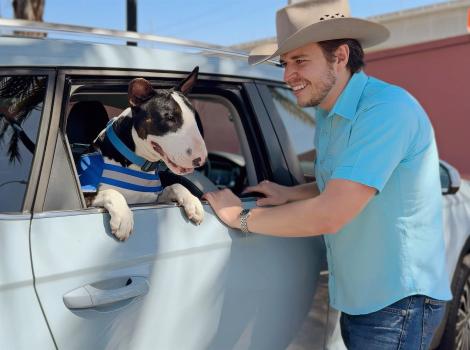
While pet fostering is traditionally done in private homes, innovative fostering programs like the one at the Kennebunk library are also making a difference for homeless pets. The venues for these programs go well beyond libraries. Some dogs from shelters become adoptable “lobby dogs” at hotels. At Inn by the Sea in Cape Elizabeth, Maine, the foster dog hangs out at the front desk with staff, who oversee the walks the dog takes each day with guests.
According to Rauni Kew, the inn’s public relations manager, it’s not just the dogs who benefit from the fostering relationship. “The front desk people all say that it adds greatly to their job. It really reduces stress,” Rauni says. “They love having the animals there.”
The hotel’s fostering partnership with the Animal Refuge League of Greater Portland has helped find homes for pets ranging from seniors to “tripods,” dogs with three legs. The foster dogs have been a hit with older guests as well as families with small children, Rauni notes. “It’s a win-win for everybody,” she says.
Kim Smith, director of Charlie’s Angels Animal Rescue in Fletcher, North Carolina, agrees. In 2014, her nonprofit placed an adoptable dog with Aloft by Marriott, a hotel in downtown Asheville, North Carolina, after an Aloft employee sat next to a Charlie’s Angels volunteer on a plane and they hatched the fostering idea.
When the dog was adopted, the hotel employees requested another one. The program proved so popular that other Aloft hotels have started foster dog programs — and over 300 lobby dogs have gone to new homes. “They check in homeless and check out with a family,” Kim says.

Prison programs
The success at Aloft has encouraged other nontraditional fostering partnerships. About eight years ago, administrators at a women’s prison heard about the hotel’s lobby dogs and reached out to Charlie’s Angels to see whether they could partner with the group on a foster program.
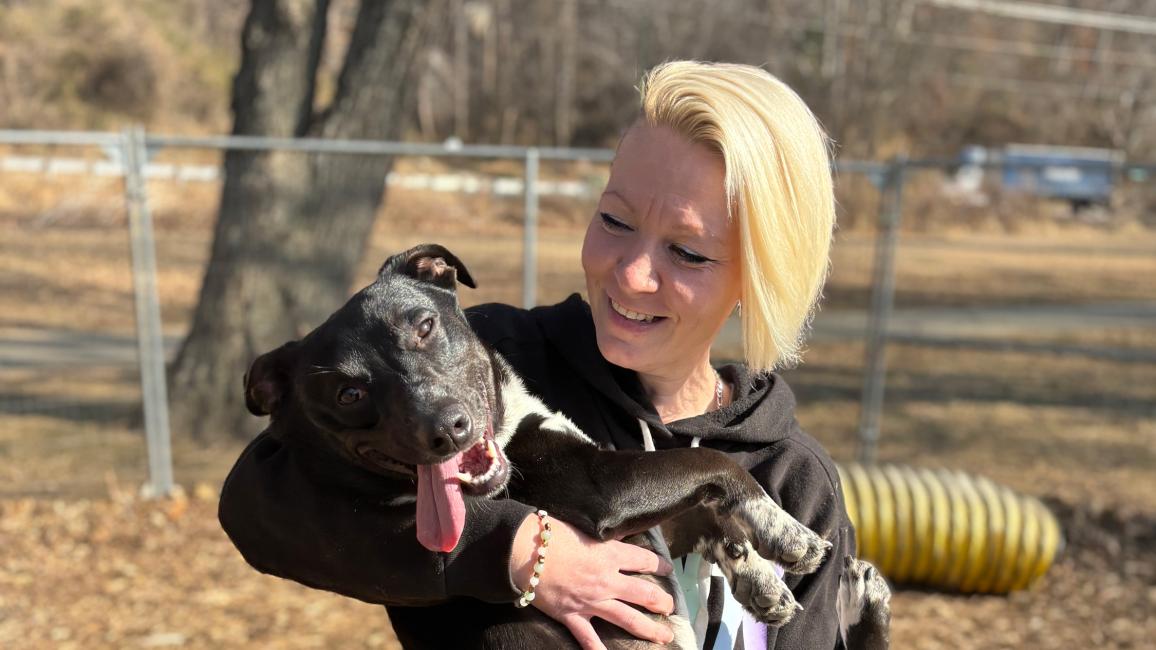
Charlie’s Angels sends younger dogs who could use some training to live with women who are incarcerated at Western Correctional Center for Women in North Carolina. The dogs spend eight weeks being house-trained and learning to respond to cues like “sit,” “stay,” “down,” and “paw,” all of which helps make them more appealing to potential adopters. Many of the women who work with the pups have gotten jobs as dog trainers after being released from the facility.
Prison program, foster home help a pit bull terrier put his fears aside and thrive
Kim says fostering dogs offers hope to program participants, who have let Kim know about the program’s impact on them. She recalls a touching exchange: One woman came up to her and said, “Can I shake your hand? I just want to tell you this program saved me.”

Cats of a feather
The Aloft program also led to Charlie’s Angels cats being fostered in another unexpected place. Wild Birds Unlimited, which sells bird food, feeders, birdbaths, and more, is now a shop that fosters felines. “The cat is more laid-back — just like the dog is at Aloft — because they’re so spoiled by staff and then people see their real personality,” Kim says.
Cats are also being fostered by men incarcerated in a psychiatric unit in Washington state, according to Susan Bark, foster and adoptions director at Purrfect Pals. Since 2006, the nonprofit cat sanctuary and adoption center in Arlington, Washington, has offered adoptable cats for fostering at the Monroe Correctional Complex Sky River Treatment Center.
The men care for young, under-socialized kittens under 10 weeks old, as well as shy older cats who need help rebuilding trust with humans. They provide companionship and love to their foster cats, trim their nails, and groom and play with the kitties. Then they write letters for adopters about what each cat likes and what it meant to spend time with them. So far, more than 1,160 cats have been adopted through the Kitten and Cat Connections program.

Saving each other
“When you’re in a correctional facility, everything is drab. It’s gray, it’s beige, it’s concrete, and it’s very cold,” Susan says. “The men really get so much out of having these animals. They help the animals, and they’re really helping themselves.”
She has seen several men so shut down that they had stopped speaking. But after entering the program, they lit up when they saw the cats and eventually started communicating verbally. A man named Juan hadn’t spoken for many years. “Once we brought him into the program, he started speaking,” Susan says. “He was able eventually to go to another unit to get closer to getting more care to be paroled. The counselors were all so happy.”
Lifesaving tales: The joy of fostering pets
Across the country in Athens, Georgia, dogs from a shelter are providing a sense of purpose to men at Athens-Clarke County Jail through the Project Homebound Dog Training Program, a partnership between Athens-Clarke County Animal Services (ACCAS), Athens-Clarke County Department of Corrections, and Athenspets. Dogs from ACCAS live in a special enclosure on Department of Corrections property. Twice a week, Adriana Grassi Mosley, lead trainer in the Project Homebound program, teaches men who are incarcerated how to do basic training with their foster dogs to help them get adopted.
“When I first went there, I really didn’t know what to expect,” she says. “You see these guys with tattoos on their face. Then you see that they have the softest heart. They might look at the dog, and they’re like, ‘Hey baby, come here. Oh my gosh, I love this dog.’ And you just melt.”

A bridge to recovery
While the sheer numbers of successful adoptions coming out of these programs speak for themselves, the benefits extend so much further. Fostering cats and dogs can also help people recovering from substance abuse, according to Michele Casey, co-founder of The Bridge Restoration Ministry, which runs a faith-based recovery center in Monterey, California.
So far, residents have volunteered to foster a kitten named Bridget and 12 dogs, including a mama dog named Mercy and her eight puppies. The newest foster dog, Ayla, had behavior issues when she arrived at the men’s location needing a break from the shelter. One resident dedicated himself to helping Ayla because, he said, “she’s just like me.” He recognized that she had inherent goodness but had been in some bad situations and just needed help. “With the right environment, change can happen — and not just for humans but for animals as well,” Michele says.

Starting early
As far as nontraditional fostering environments go, you can never start too early. Casey Newton-McLaren, founder and director of Friends Forever Animal Rescue in Pennellville, New York, is grateful that one of her volunteers is a grade-school teacher who fosters small animals — rabbits, guinea pigs, gerbils, hamsters, and turtles — in her classroom with her students.
“If we can educate our children on how to properly care for a pet and what it means to be committed to a pet, then we will see a change in how many pets enter a shelter system,” says Casey. “I really feel that teaching them how to foster and what fostering means, and showing them what the responsibility and care of a pet entails, is a great way to move them into the future.” We couldn’t agree more, Casey.
This article was originally published in the July/August 2026 issue of Best Friends magazine. Want more good news? Become a member and get stories like this six times a year.
Let's make every shelter and every community no-kill
Our goal at Best Friends is to support all animal shelters in the U.S. in reaching no-kill. No-kill means saving every dog and cat in a shelter who can be saved, accounting for community safety and good quality of life for pets.
Shelter staff can’t do it alone. Saving animals in shelters is everyone’s responsibility, and it takes support and participation from the community. No-kill is possible when we work together thoughtfully, honestly, and collaboratively.

You can help save homeless pets
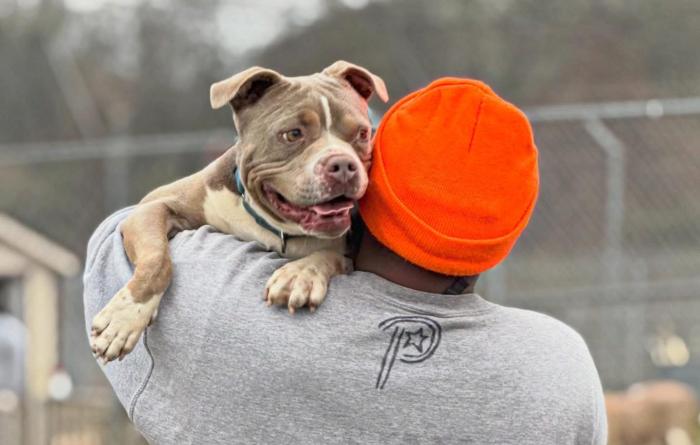
You can help end the killing in shelters and save the lives of homeless pets when you foster, adopt, and advocate for the dogs and cats who need it most.


Saving lives around the country
Together, we're creating compassionate no-kill communities nationwide for pets and the people who care for them.
Get inspiring animal rescue stories delivered straight to your inbox
Never miss a feel-good animal story. When you give us your email, we’ll send you inspiring animal rescue stories each week, along with tips on different ways you can help save homeless pets in your community and beyond.