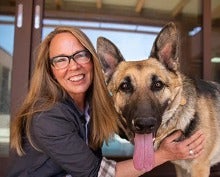
2025 wasn’t the finish line but the turning point for pets
With the new year upon us, I’m reflecting on what 2025 meant for the animals and Best Friends. It was the year we’d talked about for nearly a decade, the culmination of lifesaving work toward one of the boldest goals in animal welfare history: to lead the United States to no-kill by 2025. When I announced that goal in 2016, it was a commitment to help every shelter in every community achieve a save rate of at least 90% — the threshold for no-kill — and a promise to save thousands of dogs and cats nationwide.
With a shared vision and a laser-focused goal, we embarked on an ambitious journey along with our partners and the animal-loving public to change the face of animal welfare. And something extraordinary happened. Communities of all sizes began to change. Major metropolitan shelters and small rural counties alike embraced new paths to lifesaving.
Today, 2 out of 3 shelters in this country have achieved no-kill. And since 2016, three-quarters of all U.S. shelters have achieved no-kill for at least an entire year. That collective momentum has pushed the movement well past its tipping point.
While a shelter’s lifesaving rates can ebb and flow, and we all know there is still work ahead, our progress is astounding. This wasn’t just an ambitious goal; it was a direct challenge to a 150-year-old status quo that accepted the killing of homeless pets as the norm.
We set the goal knowing it would stretch us because I’ve always believed that big goals expand what we think is possible. They push us to test, learn, adapt, and innovate in real time — dramatically increasing the chances of hitting the mark or at least coming closer than we might otherwise. The urgency our 2025 declaration brought to the field cannot be overstated. The animals depend on all of us — shelter teams, rescue partners, local leaders, adopters, foster caregivers, volunteers, advocates, and people who simply care.
This was our moonshot. As in President Kennedy’s famous 1962 speech when he talked about the space race, we knew we’d need to build new tools, new technologies, and new ways of thinking to reach our goal. Our ambitious timeline set the stage for a decade of lifesaving innovation and progress — starting with what we didn’t know.
Back in 2016, no one in our field knew how many shelters were in the country, let alone how many animals were at risk. Data was scattered, incomplete, or nonexistent. So we built the first in-house data science team in animal welfare. That team created the pet lifesaving dashboard — a transparent, public, online data-imaging tool of what was really happening in shelters across America. When Fast Company named Best Friends one of the world’s most innovative organizations for it, that wasn’t just a win for us. It was a mic-drop moment for the entire field.
Once we understood the scope of the work, we began rethinking everything. We launched programs that reshaped sheltering from the inside out:
- Through shelter embeds, we placed Best Friends staff inside not yet no-kill shelters to work side by side with local teams in full-time roles. These embeds weren’t quick fixes. Some lasted up to a year long. They were deep partnerships that helped shelters overhaul operations, train staff, and implement data-driven strategies to save more lives.
- The Prince and Paws Shelter Collaborative Program paired exemplary no-kill shelters with shelters still working toward a 90% save rate, creating mentorship models that scaled success and empowered new leaders across the country.
- Our regional experts worked in all 50 states, guiding shelters through complex challenges, helping them implement proven programs, and funding lifesaving work with grants. This boots-on-the-ground effort reached some of the most remote and isolated shelters in the country, giving them hope and fostering pride in their work.
- In partnership with Southern Utah University, we established the nation’s first accredited academic pathways in modern animal services, strengthening the profession and equipping a new generation of shelter leaders with no-kill expertise.
- Policy and advocacy efforts led to no-kill proclamations in nearly half the states nationwide, signaling rare bipartisan recognition that our pets matter — and that communities want local policies reflecting that value.
Together with more than 5,500 shelter and rescue partners across the country, we’ve pulled an antiquated industry into the 21st century and moved no-kill from the margins to the mainstream.
And here’s what matters most: Lives were saved.
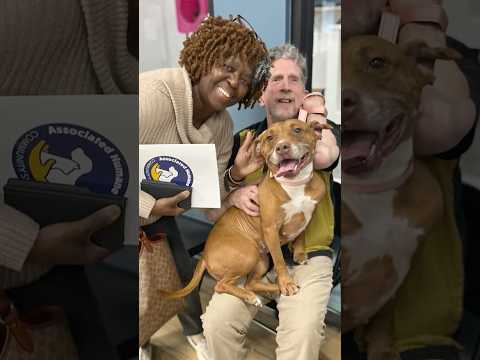
When Best Friends was founded in 1984, no-kill was considered a radical idea — something that was simply not possible. At that time, an estimated 17 million animals were killed in shelters every year. No shelter in the country was anywhere close to the 90% benchmark. In 2025, about 400,000 dogs and cats lost their lives in shelters — still far too many but a fraction of what once was. Millions of animals are alive because of the collective efforts of people who simply chose to care and take action.
The past decade was not without hardship. A global pandemic, economic instability, and a nationwide veterinary shortage challenged shelters and communities in ways we couldn’t have imagined. Yet through it all, this movement proved its resilience, its creativity, and its unwavering compassion.
As we forge ahead in 2026, our target date for achieving no-kill nationwide may have passed, but the work continues. Our commitment to saving lives has never been stronger, and we’ll keep the momentum going until no-kill is the norm everywhere — because pets belong in homes, not shelters.
-Julie