Texas animal shelter goes from hidden to hopeful
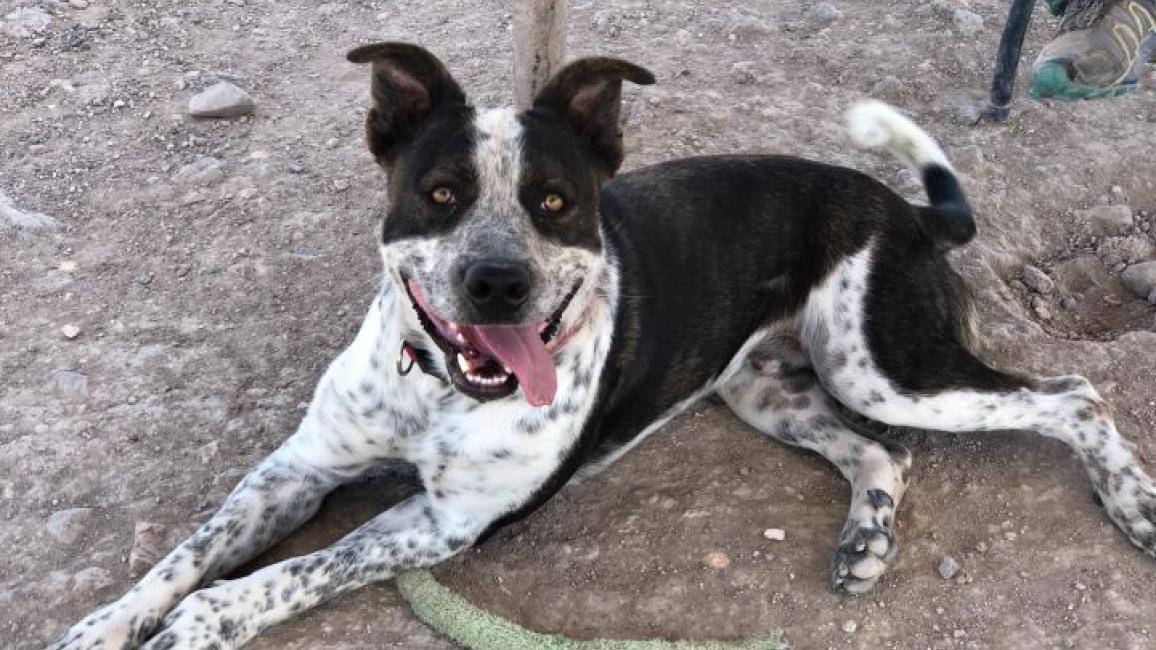
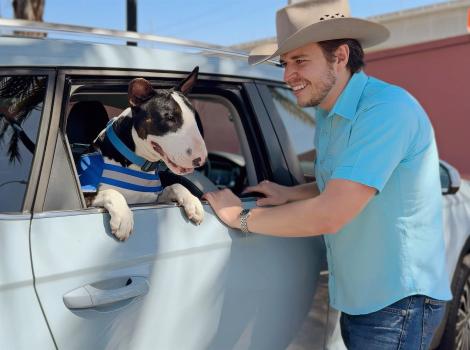
When a speckled pup named Dez is really happy, his adorable tail curls into a perfect, fluffy circle. And these days, his tail is a permanent curlicue. He spends his days romping through the lush green forests and rocky beaches of the Pacific Northwest with his new family. But his life wasn’t always so happy.
Dez came to Alpine Animal Services, a Best Friends Network Partner in Texas, nervous and unsure about other dogs. “When he first arrived, he had an interaction with another dog that wasn’t great,” says shelter director Jennifer Stewart. “So our staff was a little nervous because of that. But it wasn’t Dez; it was us. We needed to take that next step and just trust the process.”
Instead of letting one incident define him forever, staff began working with Dez more intentionally. They used safety tools, including a muzzle at first, and started helping him join playgroups with other dogs. With time, Dez blossomed into the goofy, playful, silly dog he was always meant to be. And his story mirrors the transformation that has taken place at the shelter.

A lasting impression
A few years earlier, a dog like Dez might not have had that kind of chance. When Jennifer started working at Alpine as an animal services officer nearly 18 years ago, the shelter looked nothing like it does today.
Back then, the nearly windowless building sat near the wastewater treatment plant, tucked behind a locked gate, with just a few kennels and a small cat room. “We did the best we could, but the shelter wasn’t even open to the public,” recalls Jennifer.
At the time, social media wasn’t yet the lifesaving tool it is now. Lost pets were harder to reunite with their families. Getting the word out about adoptable pets was harder, too. And like many municipal shelters with limited resources and lots of animals coming in, Jennifer often had to make heartbreaking decisions.
Collaborative adoption events help more pets in Texas
“It’s left a long impression on me forever,” she says. “I fight so hard to never go back there again. Luckily, none of my staff here right now has ever had to go through the heartache that I did.”
After a few years, Alpine finally got a new shelter building — one that community members could actually visit. Not long after, Jennifer stepped into a bigger leadership role as shelter director.
“I just started thinking why not fill that last kennel if we can and not panic and feel like we have to clear space,” she says. “Enough is enough. We don’t need to euthanize animals for space. There’s got to be a better way.”

A new way forward
That shift in thinking changed everything. Jennifer and her team started reaching out to form partnerships with other shelters and rescue groups, teaming up to save more animals’ lives.
They began working with One Tail at a Time West Texas, a Best Friends Network Partner, which led to their partnership with Best Friends Animal Society. Best Friends staff offered guidance and visited in person, helping Alpine tap into resources like the Prince and Paws Shelter Collaborative Program and Rachael Ray Save Them All Grants from Best Friends.
Through the shelter collaborative program, Best Friends pairs no-kill shelters (mentors) with shelters working toward no-kill (fellows), providing funding, training, and hands-on resources to help them get there. This kind of collaboration is just one of the ways Best Friends is helping shelters nationwide reach no-kill.
Alpine’s mentor in this program? Their good friends at One Tail at a Time West Texas. “Our partnership with One Tail at a Time West Texas is such a big deal,” Jennifer notes. “That was our turning point.”

Bringing more pets home
Support from the shelter collaborative program helped Alpine switch to an appointment-based system to better handle the number of pets coming into the shelter. Instead of pets automatically being surrendered to the shelter — and the shelter team having to care for animals beyond their capacity — scheduling appointments means the shelter can help pets with urgent needs while providing support and alternative options for pets who still have a safe place to stay.
Sometimes that means putting a pet who has a safe place to stay on a waitlist until the shelter has space for them. Sometimes it means sharing rehoming tools and other resources for people to successfully find new homes for pets on their own or manage behavioral issues. Sometimes, Jennifer says, people end up solving the problem without bringing the pet in at all.
Local animal shelters unite to save lives in Texas
Funding through the shelter collaborative program also helped Alpine strengthen its microchip program. The shelter used those funds to equip all animal services officers with scanners, making it easier to identify microchipped pets in the community and return them home before they ever enter the shelter.
“Our adoptions and the number of pets we’ve returned to their owners have both increased,” says Jennifer. “And moving pets to other rescue groups where there are more adopters is now 50% of how we get pets out of our shelter.”

Saving lives together
In just one year, Alpine’s save rate (the percentage of animals who leave a shelter alive or are still there waiting for an outcome) jumped from 79% to 90%, the benchmark for no-kill.
“Now we can help pets from all of our surrounding communities,” adds Jennifer.
The Alpine team has also continued to connect with animal welfare groups, including at Best Friends National Conference, to share ideas. “Attending the Best Friends conference last year was really inspiring," says Jennifer. “It gets me motivated. I send my team to conferences at least once a year, so they can get that peer support and inspiration.”
That inspiration has turned into more lifesaving initiatives at the shelter. The Rachael Ray Save Them All Grants from Best Friends helped the shelter expand trap-neuter-vaccinate-return (TNVR) services through Big Bend Pets, a nonprofit organization that helps support the shelter and is also a Best Friends Network Partner.
Instead of cats who live outdoors being brought to the shelter, they can now be humanely trapped, spayed or neutered, vaccinated, and returned to their outdoor homes, where they can live healthy lives without producing more kittens.
“We would definitely not be where we are without the help of the Big Bend Pets partnership,” adds Jennifer.

It can be done
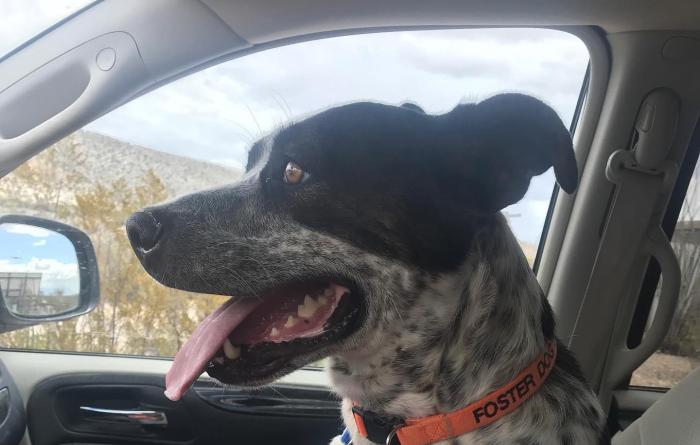
For the animals, all those changes at the shelter have added up. And that brings the story back to Dez. After spending nearly a year at Alpine, he still hadn’t met his match. So One Tail at a Time West Texas took Dez into their program and placed him in a foster home where he could continue to bloom. Before long, Dez was ready for his next adventure: a cross-country trip to another rescue partner in Oregon, where he was adopted almost immediately.
These days, Jennifer is honest with her staff about what Alpine used to be. She wants them to understand where the shelter came from. But she’s also grateful they don’t have to carry the same heartbreak she once did.
At Alpine Animal Services, pets are no longer hidden away behind a locked gate. They have more chances now to land in homes just like Dez’s.
“It can be done,” Jennifer says. Just ask the speckled pup with the curly tail, now happily romping his way through a very different life.

Let's make every shelter and every community no-kill
Our goal at Best Friends is to support all animal shelters in the U.S. in reaching no-kill. No-kill means saving every dog and cat in a shelter who can be saved, accounting for community safety and good quality of life for pets.
Shelter staff can’t do it alone. Saving animals in shelters is everyone’s responsibility, and it takes support and participation from the community. No-kill is possible when we work together thoughtfully, honestly, and collaboratively.

You can help save homeless pets
You can help end the killing in shelters and save the lives of homeless pets when you foster, adopt, and advocate for the dogs and cats who need it most.


Saving lives around the country
Together, we're creating compassionate no-kill communities nationwide for pets and the people who care for them.
Get inspiring animal rescue stories delivered straight to your inbox
Never miss a feel-good animal story. When you give us your email, we’ll send you inspiring animal rescue stories each week, along with tips on different ways you can help save homeless pets in your community and beyond.