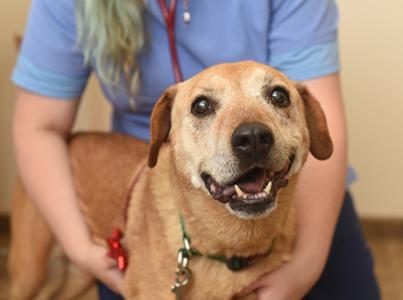
Create positive change for dogs and cats in shelters near you and build more compassionate communities.

When you sign a petition protecting homeless pets where you live, you can inspire and create a local movement. By working together with others in your community, you will help save the lives of more dogs and cats.

Locations icon

Take action for animals where you live

By signing a petition to protect animals where you live, you'll make a difference for the animals in your community.

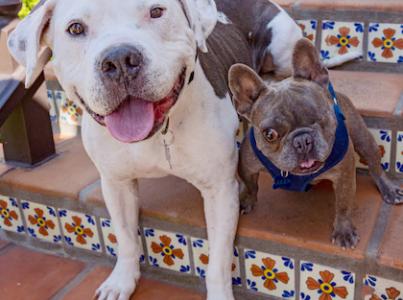
Find an alert or a petition protecting homeless pets where you live, and fill out the contact fields with your information. For some campaigns, a personalized email will be sent to the decision-maker(s) on your behalf.

Take action on specific issues

Your help is critical when it comes to protecting cats in our communities, ending breed restrictions, eliminating puppy mills, and promoting pet-friendly housing.

We’re focusing on helping the pets most in need by protecting cats who live outdoors in their communities, ending breed-restrictive legislation, shutting down puppy mills, and supporting pet-friendly housing

Community cat icon

Protect cats in our communities

For every dog killed in a shelter, more than two cats meet the same fate, and most of them are community cats. 
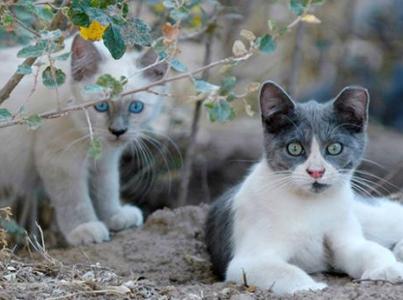
Community cats can be found just about everywhere that people live. Many of these outdoor, free-roaming cats are cared for by community members, hence the term “community cats.”

For decades, community cats have been trapped and killed in a failed attempt at population management. When community cats end up in shelters, they are at high risk of not making it out alive, since they aren’t socialized to people and prefer to live outdoors, sometimes with other cats.

Courthouse icon

End breed restrictions for big dogs

Everyone who follows the safety rules as a responsible dog owner should be allowed to care for whatever breed of dog they choose.

It’s that simple, but local governments often interfere with this right. They do so through breed-specific legislation (BSL) and as a result, restrictive laws are in place in communities around the country. These laws create limitations for families with pets and stifle potential adoptions.

These outdated laws assume that certain dogs are dangerous based solely on their appearance rather than their actual behavior. BSL limits the right of responsible people to adopt and care for any breed of dog they choose.

As a result of BSL and limited pet-friendly housing options, big dogs have a harder time getting adopted compared to their smaller counterparts, leaving them more at risk in shelters.

Plus, these restrictions force many responsible people to surrender their dogs to animal shelters, separating families from their beloved pets.

Puppy icon

Eliminate puppy mills

Many people don’t realize that when they buy a dog from a pet store or the internet, that dog most likely came from a puppy mill. 
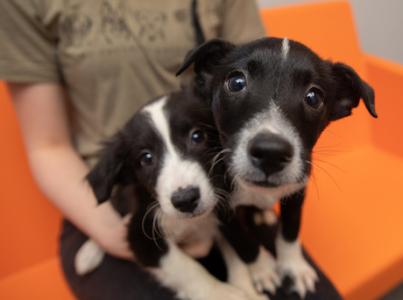
When you buy a puppy from a pet store or the internet, you’re most likely supporting a puppy mill, an inhumane dog-breeding operation where dogs live in small cages, often in the minimum legal size allowed (only six inches larger than the dog on all sides). Female dogs in puppy mills are bred constantly, in order to produce as many puppies as possible for the pet trade and to make a profit.

Although the federal government regulates most breeders who sell puppies online and to pet stores, the animal care standards imposed on breeders don’t promote responsible breeding or ensure healthy puppies. For example, it’s legal for licensed breeders to own 1,000 or more dogs, to keep them in very small cages for their entire lives and to breed them as often as possible.

The standards set by the government aren’t meant to ensure that the dogs have the good lives they deserve; they only require the bare minimum of care. Plus, there are only a few inspectors in each state for all the state’s licensed breeding facilities.

House icon

Promote pet-friendly housing

Because of the lack of pet-inclusive housing, families are often forced to choose between securing a place to live and keeping their pets. 
Admissions data from animal shelters shows that housing-related issues are the second most common reason that families surrender their pets to shelters, even ahead of financial reasons.

More ways to help save homeless pets

Together with people like you, Best Friends is working every day — on local, state and national levels — to advocate for the rights of pets and the people who love them.

Person smiling at a dog they're sitting next to on the grass

Start a petition

Start a petition, and we'll be with you every step of the way with tools, resources and training to help you save more dogs' and cats' lives.
Smiling person sitting on a bench with a dog

Support a campaign

Use your voice to protect community cats, end puppy mills, and keep pets safe and at home with their families.
Smiling person sitting in an armchair holding two tiny kittens

Find an action team near you

We’ll help you connect with people close to you who are interested in working with you to save the lives of homeless pets.
Person relaxing on a rug with a small dog

Opt-in for mobile alerts

We’ll text you about time-sensitive opportunities to support lifesaving legislation in your area when you sign up to receive mobile alerts.
Person smiling while holding a small cat

Become an effective advocate

Maybe you already have a great idea about what it takes to make positive changes for animals, but we want to give you the tools you’ll need to be an even more effective advocate.
Best Friends Animal Society logo mark

About Best Friends Animal Society

Best Friends is working to end the killing of dogs and cats in U.S. shelters in part by getting more pets out of shelters and into loving homes.

We’ve come a long way since the first known city reached no-kill in 1994, and now we’re closer than ever to making the entire country no-kill. Of the roughly 3,900 shelters operating in America today, 1,300 of them are not yet no-kill, but nearly half are close with 100 or fewer additional pets to be saved, and we know what to do to get them there.

Best Friends is committed to working with passionate people like you to save homeless pets through adoption, volunteering, fostering, and advocacy. In addition to our lifesaving centers around the U.S, we also founded and run the nation's largest no-kill sanctuary for companion animals.

Working together, we can save homeless pets in our communities and secure a better future for our best friends. Together, we will bring the whole country to no-kill.